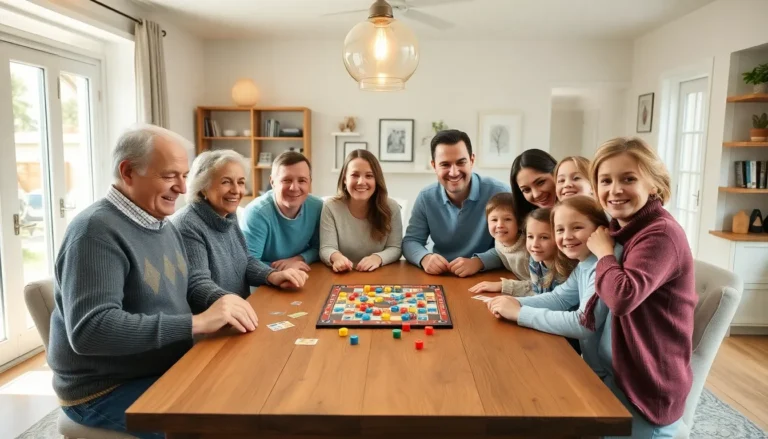
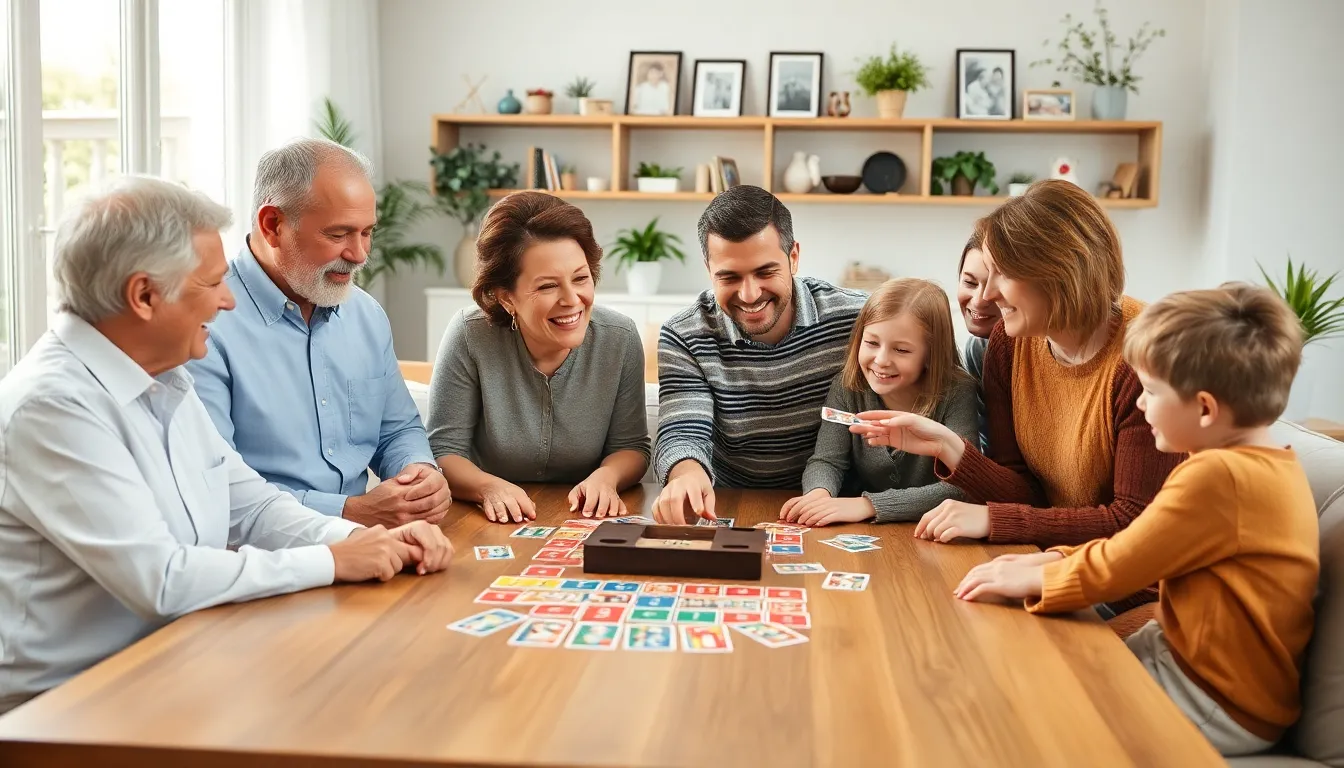
Family activities and games bring people closer. They create shared memories, spark laughter, and strengthen relationships across generations. Whether it’s a rainy afternoon indoors or a sunny weekend at the park, quality time together matters more than ever.
The best part? Families don’t need elaborate plans or expensive equipment. A deck of cards, a backyard, or some craft supplies can transform an ordinary day into something special. This guide covers indoor games, outdoor adventures, creative projects, and practical tips to help families make the most of their time together.
Table of Contents
ToggleKey Takeaways
- Family activities and games strengthen relationships and create lasting memories without requiring expensive equipment or elaborate plans.
- Indoor options like board games, card games, and multiplayer video games provide entertainment for all ages during any weather.
- Outdoor activities such as backyard games, nature exploration, and seasonal adventures combine physical exercise with quality bonding time.
- Creative projects like cooking, arts and crafts, and building challenges let families collaborate while learning new skills together.
- Scheduling regular family game time, rotating activity choices, and putting away devices ensures everyone stays engaged and connected.
- Focusing on fun rather than winning keeps family activities enjoyable and teaches children valuable lessons about sportsmanship and teamwork.
Indoor Games for All Ages
Indoor games offer reliable entertainment when the weather keeps everyone inside. They also work well for evening gatherings after dinner or lazy weekend mornings.
Classic Board Games
Board games remain popular for good reason. Games like Monopoly, Scrabble, and Clue engage players of all ages. They teach strategy, patience, and good sportsmanship. Newer options like Ticket to Ride and Catan offer fresh challenges while still welcoming beginners.
For families with young children, Candy Land and Chutes and Ladders introduce game mechanics without requiring reading skills. Older kids and teens often enjoy trivia games like Trivial Pursuit or cooperative games where everyone works toward a common goal.
Card Games
Card games require minimal setup and travel easily. Uno remains a family favorite because its rules are simple yet engaging. Go Fish and Old Maid work perfectly for younger players learning to take turns and follow instructions.
Families looking for more challenge can try Hearts, Spades, or Rummy. These family activities and games build math skills and strategic thinking without feeling like assignments.
Video Games for Group Play
Video games have evolved into excellent family activities. Party games like Mario Kart, Just Dance, and Jackbox Games get everyone involved. They level the playing field since younger players sometimes outperform their parents.
Multiplayer puzzle games and adventure titles also encourage teamwork. Families can solve problems together and celebrate victories as a group.
Outdoor Activities the Whole Family Can Enjoy
Fresh air and physical movement make outdoor family activities and games particularly rewarding. They burn energy, improve health, and create lasting memories.
Backyard Games
A backyard provides endless possibilities. Tag, hide-and-seek, and capture the flag require nothing but enthusiasm. Lawn games like cornhole, bocce ball, and croquet add friendly competition.
Badminton and volleyball nets set up quickly and accommodate varying skill levels. Even a simple game of catch strengthens bonds between parents and children.
Nature Exploration
Hiking trails, local parks, and nature preserves offer free family entertainment. Scavenger hunts turn ordinary walks into adventures. Families can search for specific leaves, rocks, birds, or insects.
Geocaching combines technology with outdoor exploration. Participants use GPS coordinates to find hidden containers, turning any location into a treasure hunt. Kids especially love the thrill of discovery.
Sports and Active Play
Organizing a family soccer match, basketball game, or frisbee session gets everyone moving. These activities scale easily, two people can play catch while ten can form teams.
Bike rides through neighborhoods or trails work for families with children of different ages. Swimming at local pools or beaches during warm months combines exercise with cooling off.
Seasonal Activities
Each season brings unique opportunities. Summer offers camping, fishing, and picnics. Fall provides apple picking and leaf collecting. Winter brings sledding, snowman building, and ice skating. Spring invites kite flying and gardening projects.
Creative and Educational Family Projects
Family activities and games don’t always involve competition. Creative projects allow families to collaborate and learn together.
Arts and Crafts
Painting, drawing, and sculpting with clay give families a chance to express themselves. These activities accommodate all skill levels, there’s no wrong way to create art.
Seasonal crafts like making holiday decorations or birthday cards add purpose to creative time. Families can display their work around the house, creating visible reminders of time spent together.
Cooking and Baking Together
The kitchen serves as an excellent classroom. Children learn math through measuring ingredients and science through watching dough rise. They also develop life skills they’ll use forever.
Pizza nights let everyone customize their own creation. Baking cookies or cakes for special occasions builds anticipation and teamwork. Even young children can help wash vegetables or stir ingredients.
Building Projects
LEGO sets, model kits, and puzzles challenge families to work toward a shared goal. The satisfaction of completing a 1,000-piece puzzle together creates genuine pride.
More ambitious families might tackle woodworking projects, birdhouse construction, or even simple furniture assembly. These family activities and games produce tangible results everyone can appreciate.
Learning Activities
Science experiments using household items spark curiosity. Building volcanoes, growing crystals, or launching bottle rockets turn kitchens into laboratories.
Reading aloud, playing educational apps together, or watching documentaries followed by discussion also count as quality family time. Learning doesn’t have to feel like school.
Tips for Making Family Game Time a Success
Great family activities and games happen more consistently when families plan ahead and set expectations.
Schedule Regular Time
Busy schedules pull families in different directions. Blocking specific times, like Sunday afternoons or Friday nights, ensures game time actually happens. Consistency builds tradition.
Even 30 minutes counts. Short, regular sessions beat occasional marathon events that leave everyone exhausted.
Let Everyone Choose
Rotating who picks the activity prevents one person from dominating decisions. Kids feel respected when their choices matter. Parents discover what their children genuinely enjoy.
Keeping a running list of activities everyone wants to try ensures variety. Cross items off as the family completes them.
Adjust for Different Ages
Families with children of varying ages need flexible activities. Pairing older kids with younger ones creates mentoring opportunities. Modifying rules keeps games fair without dumbing them down.
Some family activities and games naturally work across age groups. Others might need the youngest player to join a team with an adult.
Focus on Fun, Not Winning
Competitive spirits run high in some families. Emphasizing enjoyment over victory prevents hurt feelings and arguments. Celebrating good plays rather than final scores shifts the focus.
Cooperative games where everyone wins or loses together eliminate competition entirely. They teach collaboration and shared problem-solving.
Put Away Devices
Phones and tablets distract from genuine connection. Setting a “no screens” rule during family time keeps everyone present. It also shows children that they’re the priority.