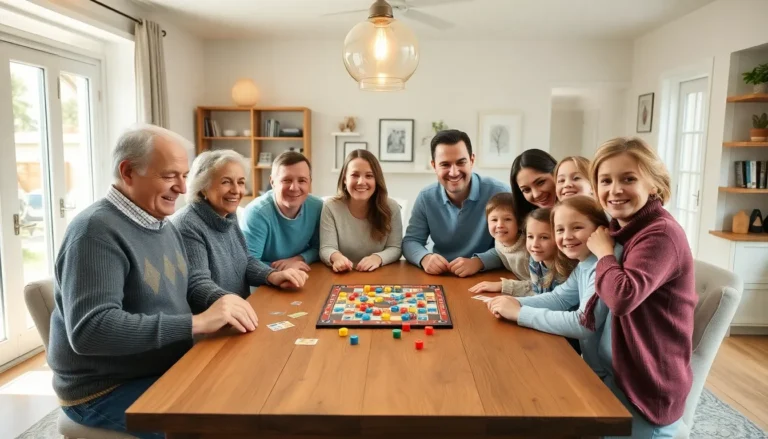
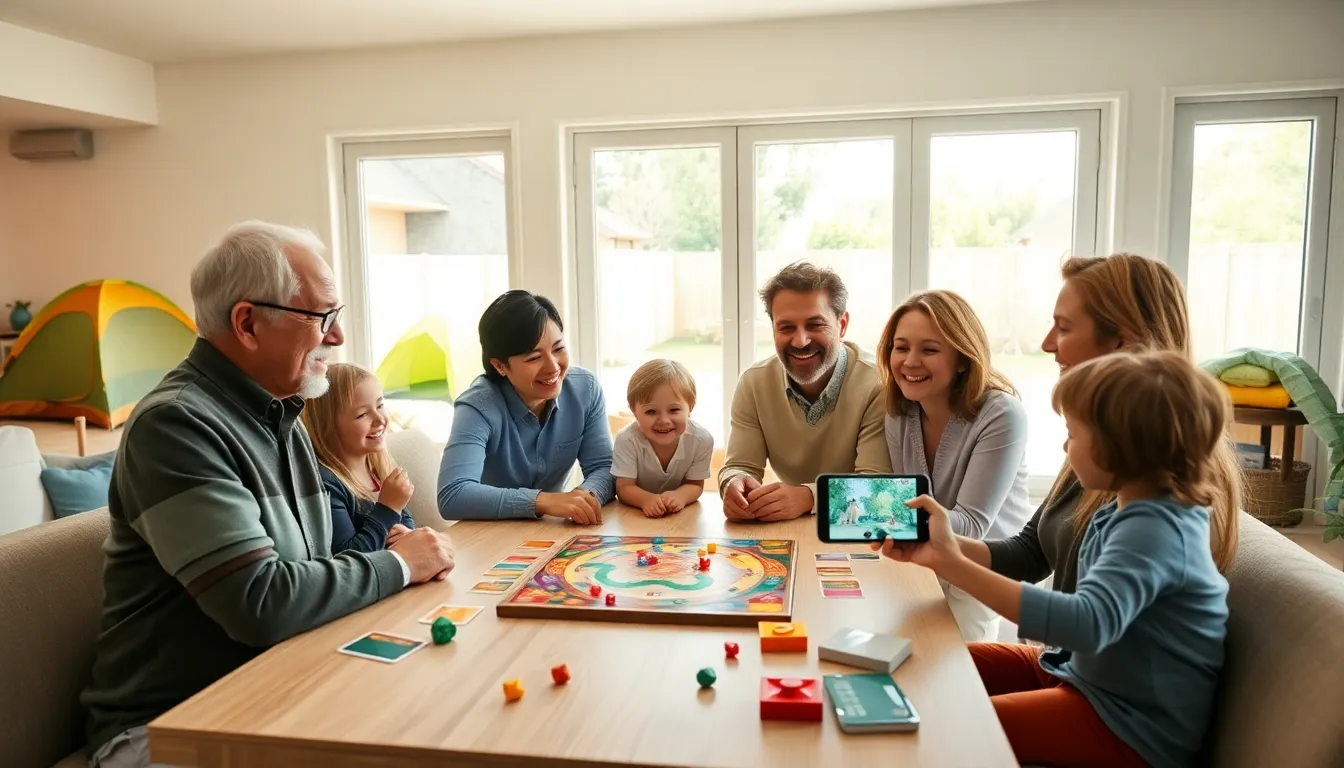
Family activities and games trends 2026 are reshaping how households spend quality time together. This year brings fresh approaches to entertainment that blend technology, sustainability, and classic togetherness. Families are moving beyond passive screen time toward interactive experiences that engage multiple generations. From hybrid board games to outdoor adventures, the trends reflect a desire for connection and meaningful play. This guide explores the key family activities and games trends 2026 has in store, and how they can transform your family bonding time.
Table of Contents
ToggleKey Takeaways
- Hybrid board games blending physical pieces with digital apps lead family activities and games trends 2026 by bridging generational gaps and offering ongoing content updates.
- Outdoor adventures like geocaching, backyard camping, and nature scavenger hunts are making a strong comeback as families prioritize screen-free quality time.
- Cooperative games eliminate competition stress by having all players work together as a team, building communication and teamwork skills across age groups.
- Tech-enhanced learning activities disguise education as play, with STEM kits, coding games, and language apps designed for shared family participation.
- Sustainability shapes 2026 trends through plastic-free game options, thriving secondhand markets, and DIY game creation using household materials.
- Libraries now loan robotics sets and learning kits, making these family activities and games trends accessible to more households without major purchases.
Hybrid Board Games Blending Digital and Physical Play
Hybrid board games are leading family activities and games trends 2026. These games combine traditional tabletop elements with digital components like apps, AR features, and connected devices. Players roll physical dice, move tokens across boards, and use smartphones to unlock story elements or track scores.
Major game publishers have released several hybrid titles targeting family audiences. Games like Chronicles Quest and Mystery Manor 2.0 let players scan cards with their phones to reveal clues or trigger animated sequences. The physical pieces create tactile engagement while digital layers add depth and variety.
Why does this matter for families? Hybrid games bridge generational gaps. Grandparents enjoy familiar board game mechanics. Kids appreciate the tech integration. Parents find the balance refreshing, screen time becomes collaborative rather than isolating.
These games also offer replay value. Digital updates can introduce new scenarios, characters, or challenges without buying expansion packs. A single game box provides months of fresh content.
The price point remains accessible. Most hybrid family games retail between $30 and $60, comparable to premium board games. The app components are typically free downloads.
Outdoor Family Adventures Making a Comeback
Outdoor activities are surging among family activities and games trends 2026. After years of increased indoor screen time, families are prioritizing nature-based experiences. Hiking, geocaching, backyard camping, and scavenger hunts top the list of popular choices.
Geocaching has evolved significantly. Modern geocaching apps now feature family-friendly quests, achievement badges, and community challenges. Families can join local geocaching groups or create custom hunts for birthday parties and reunions.
Backyard camping continues growing. Equipment manufacturers report strong sales of family-sized tents, portable fire pits, and outdoor movie projectors. The appeal is simple: adventure without long travel. Kids experience camping basics while parents stay close to home conveniences.
Nature scavenger hunts have gone digital. Apps like NatureSeek and Family Explorer provide location-based challenges. Families photograph plants, insects, and landmarks to earn points. The competitive element keeps kids engaged during hikes.
Parks and recreation departments are responding to this trend. Many now offer family adventure programs, guided nature walks, and outdoor skill workshops. These programs teach fire safety, basic navigation, and wildlife identification.
The health benefits drive adoption too. Outdoor family activities and games trends 2026 emphasize physical movement and reduced screen dependency. Doctors and child development experts endorse this shift.
Cooperative Gaming Experiences for All Ages
Cooperative games define family activities and games trends 2026. Unlike competitive games where one person wins, cooperative games require all players to work together against the game itself. Everyone wins or loses as a team.
This format eliminates common family game night problems. No more tears when younger siblings lose. No more arguments over unfair advantages. Players strategize together, celebrate together, and learn teamwork.
Popular cooperative titles span multiple formats. Board games like Forbidden Desert and Pandemic have family-friendly versions. Video games offer couch co-op modes where players share a screen. Escape room kits bring puzzle-solving home.
The age range flexibility stands out. Many cooperative games include difficulty settings. A family with a 6-year-old and a 14-year-old can adjust challenges appropriately. Younger players contribute meaningfully without feeling overwhelmed.
Cooperative gaming builds communication skills. Players must discuss strategies, share information, and make group decisions. These soft skills transfer to school projects, sports teams, and future workplaces.
Game cafes and family entertainment centers now feature cooperative experiences. Families can try games before buying or enjoy supervised play sessions with staff guidance.
Tech-Enhanced Learning Activities for Families
Educational technology shapes family activities and games trends 2026. Parents want entertainment that teaches. Developers are delivering games and activities that disguise learning as play.
STEM kits have matured beyond basic experiments. Current offerings include robotics projects, coding games, and engineering challenges scaled for different ages. Families build together, learning alongside their children. Products like Circuit Explorer and Code & Play turn living rooms into maker spaces.
Language learning games target multilingual families and those wanting to introduce new languages. Interactive apps use game mechanics, points, levels, streaks, to motivate daily practice. Family challenges let parents and kids compete or collaborate on vocabulary goals.
History and geography games have improved dramatically. Titles like Timeline Expedition and World Explorer teach through storytelling and adventure rather than memorization. Kids absorb facts while having fun.
The key differentiator in family activities and games trends 2026 is family involvement. These aren’t apps parents hand to children. They’re designed for shared participation. A parent might read story prompts while a child makes choices. Siblings collaborate on puzzles.
Libraries now loan tech-enhanced learning kits. Families can borrow robotics sets, science experiment boxes, and coding tools without major purchases. This accessibility expands who can participate in these trends.
Sustainable and Eco-Friendly Game Options
Sustainability influences family activities and games trends 2026 significantly. Eco-conscious families seek games made from recycled materials, sustainably sourced wood, or biodegradable components. Manufacturers are responding with greener product lines.
Several board game publishers now offer plastic-free options. Game pieces come in wood, metal, or plant-based materials. Packaging uses recycled cardboard and soy-based inks. Some companies include tree-planting programs with purchases.
Secondhand game markets are thriving. Online marketplaces and local swap groups help families buy used games at reduced prices. This extends product lifecycles and reduces waste. Many board games remain playable for decades with proper care.
DIY game creation has become a family activity itself. Families design their own board games, card games, and outdoor challenges using household materials. Templates and tutorials are widely available online. The creation process teaches creativity, planning, and resourcefulness.
Nature-based play aligns with sustainability values. Families choose activities requiring minimal equipment, hiking, swimming, bird watching, stargazing. These experiences cost little, produce no waste, and create lasting memories.
Games teaching environmental concepts are selling well. Titles about conservation, ecosystems, and climate science help kids understand environmental issues through play. Parents appreciate the values reinforcement.