Family activities and games bring people closer. They create memories, spark laughter, and give everyone a break from screens. Whether it’s a rainy Saturday or a sunny afternoon, the right activity can turn ordinary time into something special.
This guide covers family activities and games examples that work for all ages. From classic board games to outdoor adventures, creative projects to energetic indoor fun, there’s something here for every family. These ideas require minimal prep and deliver maximum enjoyment.
Table of Contents
ToggleKey Takeaways
- Family activities and games examples range from classic board games to outdoor adventures, creative projects, and active indoor games—offering options for every age and weather condition.
- Board games like Monopoly, Scrabble, and Uno teach valuable skills like strategy, patience, and sportsmanship while keeping the whole family engaged.
- Outdoor activities such as scavenger hunts, capture the flag, and nature walks combine physical exercise with quality bonding time.
- Creative DIY projects like homemade playdough, fort building, and cooking together let families collaborate while building lasting memories.
- Rainy days become fun with indoor games like hide and seek, balloon volleyball, charades, and dance parties—no special equipment required.
- Most family activities and games examples need minimal preparation and budget, making quality family time accessible to everyone.
Classic Board Games and Card Games
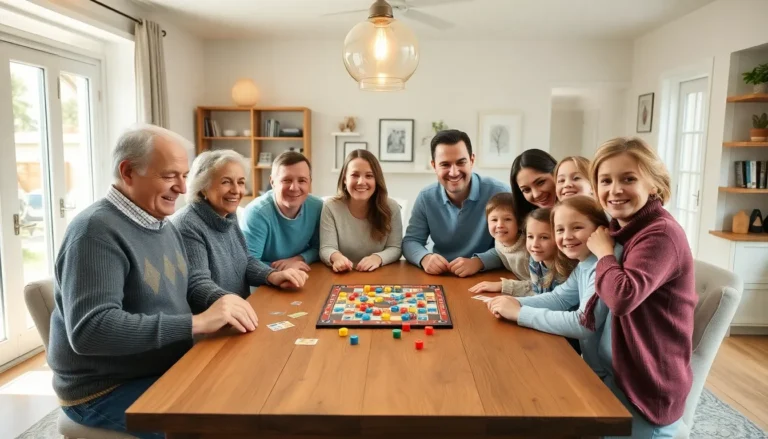
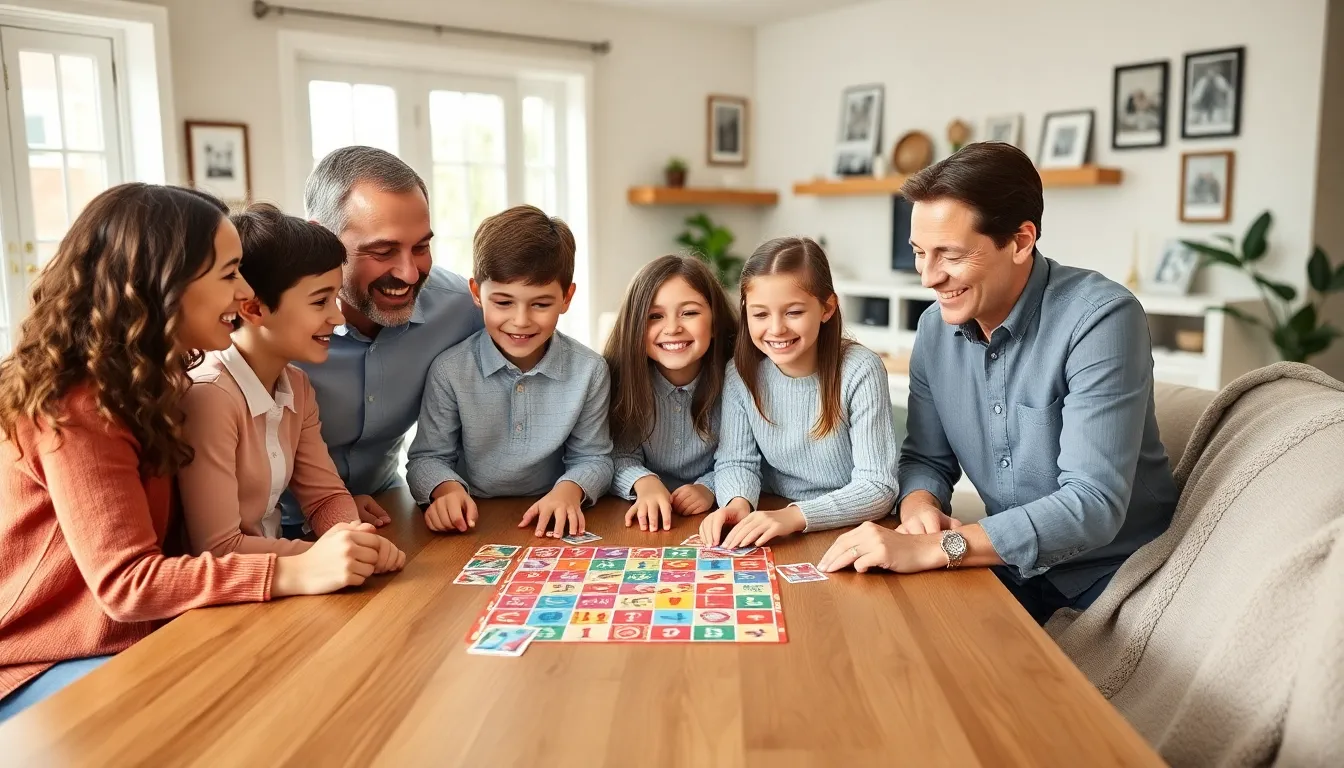
Board games remain a staple of family entertainment for good reason. They teach strategy, patience, and good sportsmanship, all while keeping everyone engaged around the table.
Monopoly continues to dominate game nights. Players buy properties, collect rent, and negotiate deals. A single game can last hours, making it perfect for lazy weekends. For faster options, Monopoly Junior offers the same fun in 30 minutes.
Scrabble challenges vocabulary skills across generations. Kids practice spelling while adults compete for triple-word scores. Bananagrams provides a quicker alternative without the board.
Card games offer portable fun that travels anywhere. Uno works for ages 7 and up, with simple rules that anyone can learn in minutes. Go Fish and Crazy Eights suit younger children. For older family members, Rummy and Hearts add strategic depth.
Candy Land and Chutes and Ladders introduce preschoolers to turn-taking and following rules. These family activities and games examples require no reading skills, so even the youngest members can participate fully.
Cooperative games like Pandemic and Forbidden Island put families on the same team. Instead of competing, players work together to achieve a shared goal. This format reduces conflict and encourages communication.
Game nights don’t need expensive setups. A standard deck of cards supports dozens of games. Many classic board games cost under $20 and provide years of entertainment.
Outdoor Activities for the Whole Family
Fresh air and movement make outdoor family activities and games examples especially valuable. Physical activity benefits everyone’s health while creating space for conversation and connection.
Scavenger hunts adapt to any location. Create a list of items to find in the backyard, local park, or neighborhood. Include natural objects like pinecones, specific leaf shapes, or interesting rocks. For added challenge, add riddles that lead to each item.
Capture the flag works best with four or more players. Split into two teams, hide flags in designated territories, and try to capture the opposing team’s flag without getting tagged. This game burns energy and builds teamwork.
Frisbee golf uses any open space. Set up targets using trees, trash cans, or lawn chairs. Players throw frisbees toward each target, counting throws like golf strokes. The lowest score wins.
Bike rides offer exercise disguised as adventure. Plan a route to a local ice cream shop or interesting landmark. Even short rides create shared experiences and build confidence in younger cyclists.
Gardening projects combine outdoor time with practical skills. Children learn about plant growth, responsibility, and patience. Start with fast-growing vegetables like radishes or lettuce for quick results that maintain interest.
Nature walks become educational when families identify plants, birds, or insects along the way. Free apps help with identification, turning a simple walk into a learning experience.
Tag variations add new life to a familiar game. Freeze tag, flashlight tag (at dusk), and blob tag (tagged players join hands with the tagger) keep things fresh. These family activities and games examples require zero equipment and endless energy.
Creative and DIY Projects
Creative activities let families build something together. The finished product matters less than the process of making it.
Homemade playdough takes 10 minutes to prepare. Mix flour, salt, water, cream of tartar, and food coloring. Kids can help measure ingredients, then spend hours shaping creations. It stores in airtight containers for weeks.
Fort building transforms living rooms into adventure zones. Gather blankets, pillows, and chairs. Add flashlights for reading inside the fort or watching a movie on a tablet. The construction process itself becomes half the fun.
Cooking together teaches life skills while producing something delicious. Pizza night lets each family member customize their own. Cookie decorating works for holidays or any ordinary Tuesday. Even simple recipes like smoothies give young children a sense of accomplishment.
Arts and crafts projects range from simple to elaborate. Painting rocks creates garden decorations. Making friendship bracelets practices fine motor skills. Collage projects repurpose old magazines into new art.
Science experiments blend learning with entertainment. Baking soda volcanoes, slime recipes, and growing crystals captivate curious minds. Many experiments use household ingredients, making them accessible family activities and games examples for any budget.
Family time capsules preserve memories. Each member contributes drawings, letters, or small objects. Seal the capsule and set a date to open it, maybe in five or ten years. The anticipation adds to the experience.
Active Indoor Games for Rainy Days
Bad weather doesn’t mean boring days. Indoor family activities and games examples keep energy levels high when going outside isn’t an option.
Hide and seek works in any home. Designate boundaries, count to a set number, and let the searching begin. Sardines reverses the format, one person hides while everyone else seeks. When someone finds the hider, they squeeze into the hiding spot. The last person to find everyone loses.
Indoor obstacle courses use furniture, pillows, and imagination. Crawl under tables, hop over cushions, balance along a tape line on the floor. Time each family member and track personal bests.
Balloon volleyball keeps a balloon in the air using a string stretched across the room as a “net.” The soft balloon prevents damage to furniture and eliminates the sting of a real volleyball. This game works well for mixed age groups since younger players can compete fairly.
Charades and Pictionary test communication without words. Write prompts on slips of paper, divide into teams, and take turns acting or drawing. Movie titles, animals, and actions make good categories for family activities and games examples that span generations.
Dance parties require only a speaker and willingness to be silly. Take turns choosing songs. Add freeze dance rules, when the music stops, everyone holds their position.
Minute-to-win-it challenges use household items for timed competitions. Stack cups into pyramids, move cookies from forehead to mouth without hands, or bounce ping pong balls into cups. These quick games generate big laughs and friendly competition.