A solid family activities & games guide can transform ordinary evenings into memorable experiences. Families today juggle busy schedules, screen time battles, and competing interests. Finding activities that genuinely engage everyone, from toddlers to grandparents, requires intentional planning.
This guide covers indoor games, outdoor adventures, creative projects, and practical tips for success. Whether rain keeps everyone inside or sunshine calls for backyard fun, these ideas help families connect through play. The right family activities strengthen bonds, spark laughter, and create traditions worth repeating.
Table of Contents
ToggleKey Takeaways
- A family activities & games guide helps transform routine evenings into meaningful bonding experiences for all ages.
- Indoor games like board games, card games, and puzzles provide reliable entertainment regardless of weather or family size.
- Outdoor activities such as backyard games, nature exploration, and seasonal adventures promote physical health and conversation.
- Creative projects like cooking together, arts and crafts, and science experiments blend learning with hands-on family fun.
- Scheduling a regular weekly game night builds anticipation and turns family activities into lasting traditions.
- Cooperative games and minimizing digital distractions help reduce conflict and maximize quality connection time.
Indoor Games for All Ages
Indoor games offer reliable entertainment regardless of weather or season. They require minimal equipment and adapt easily to different family sizes and age groups.
Classic Board Games
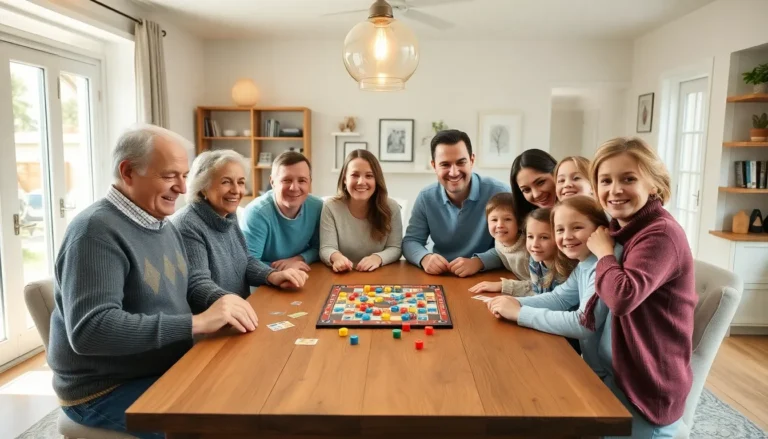
Board games remain a cornerstone of family activities. Games like Ticket to Ride, Catan Junior, and Codenames Pictures work well for mixed-age groups. Younger children can team up with older family members to stay engaged. Classics like Monopoly and Scrabble still deliver solid entertainment, though newer options often feature shorter play times, a real advantage with restless kids.
Card Games Worth Learning
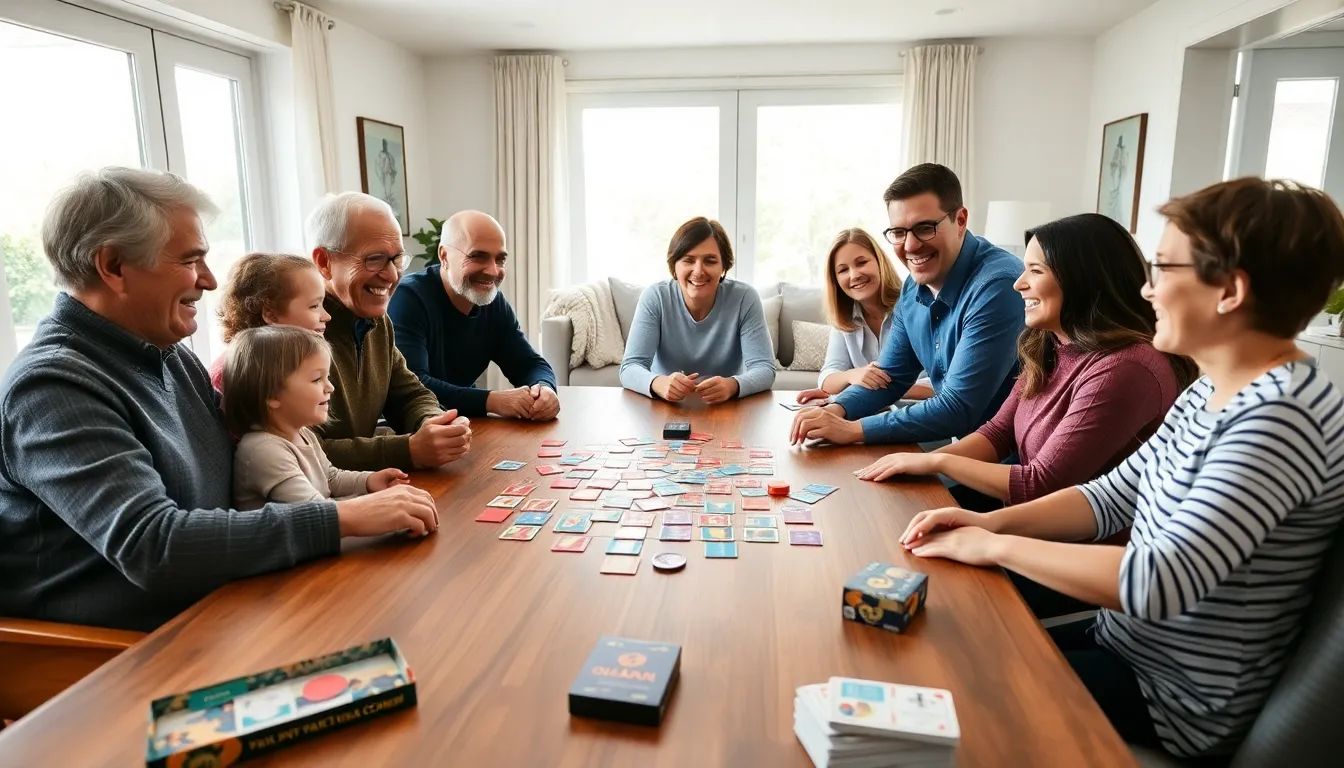
Card games pack big fun into small packages. Uno travels easily and plays fast. Go Fish and Crazy Eights suit younger players. Families seeking more strategy might try Exploding Kittens or Sushi Go, which take about 15 minutes per round.
Active Indoor Options
Not every indoor game means sitting still. Charades, freeze dance, and indoor scavenger hunts get everyone moving. Building blanket forts doubles as both activity and reward, kids can play games inside their creation afterward. Video game systems with motion controls, like Nintendo Switch sports games, offer another active option when space allows.
Puzzle Challenges
Jigsaw puzzles work surprisingly well as family activities. A 500-piece puzzle can occupy a family over several days, sitting on a dedicated table. Family members contribute pieces whenever they pass by. This creates low-pressure connection time without the intensity of competitive games.
Outdoor Activities the Whole Family Can Enjoy
Outdoor family activities promote physical health while creating space for conversation and adventure. Fresh air changes the energy, and nature provides a free backdrop for countless games.
Backyard Games
Backyard games require little preparation and suit various skill levels. Cornhole, ladder toss, and bocce ball work for all ages. Tag variations, freeze tag, flashlight tag, and shadow tag, keep younger children entertained for hours. Badminton and volleyball nets create instant activity zones.
Nature Exploration
Hiking trails offer family activities that combine exercise with education. Local parks often feature nature guides identifying plants and wildlife. Geocaching turns walks into treasure hunts using GPS coordinates to find hidden containers. Bird watching with a simple field guide teaches patience and observation skills.
Seasonal Outdoor Fun
Each season brings unique opportunities. Summer invites water balloon fights, sprinkler runs, and swimming. Fall means leaf pile jumping, apple picking, and pumpkin decorating outdoors. Winter offers sledding, snowman building, and snow fort construction. Spring encourages gardening projects, kite flying, and bike rides as weather warms.
Camping Adventures
Camping, even in the backyard, creates memorable family activities. Setting up tents, cooking over fire, and stargazing remove digital distractions naturally. Backyard camping works well as practice before venturing to actual campgrounds. S’mores remain non-negotiable for any camping experience.
Creative and Educational Family Projects
Creative projects blend learning with hands-on fun. These family activities produce tangible results families can display or use, adding lasting value beyond the activity itself.
Arts and Crafts
Craft projects suit various skill levels when properly chosen. Painting, tie-dye shirts, and simple pottery offer sensory experiences everyone enjoys. Seasonal crafts, holiday ornaments, Valentine cards, or Halloween decorations, give projects purpose and deadlines. Dollar stores provide affordable supplies for experimentation.
Cooking Together
The kitchen hosts excellent family activities. Baking cookies teaches measurement and following instructions. Pizza-making nights let each person customize toppings. Older children can lead recipes while younger ones handle simpler tasks like stirring or decorating. Family recipe traditions pass down through generations this way.
Science Experiments
Simple science experiments spark curiosity. Volcano models with baking soda and vinegar never get old. Growing crystals, making slime, and building simple machines teach scientific concepts through play. Many experiments use household items already available in most kitchens.
Building Projects
Construction projects challenge problem-solving skills. LEGO sets, model kits, and wooden birdhouse kits work for various ages. Ambitious families might tackle larger projects like building a treehouse or garden planter boxes together. These projects teach planning, patience, and teamwork.
Tips for Making Family Game Time a Success
Even the best family activities fail without proper setup. These practical tips help families maximize enjoyment and minimize conflict during game time.
Schedule Regular Time
Consistency matters more than duration. A weekly family game night builds anticipation and becomes tradition. Families can rotate who chooses the activity each week, giving everyone ownership. Putting game time on the calendar treats it as seriously as other appointments.
Match Activities to Energy Levels
Timing affects success dramatically. Active games work best when energy runs high. Quiet activities suit tired evenings better. Reading room energy helps parents choose appropriate family activities in the moment.
Handle Competition Carefully
Some children struggle with losing. Cooperative games where everyone works together toward a goal eliminate this problem entirely. Games like Pandemic, Forbidden Island, and Outfoxed pit families against the game rather than each other. For competitive games, praising good sportsmanship matters more than celebrating winners.
Minimize Distractions
Phones, tablets, and televisions compete for attention. Setting devices aside during family activities shows commitment to connection. Some families create phone baskets where devices rest during game time. This simple boundary protects the quality of time together.
Adapt for Age Differences
Mixed-age families face real challenges keeping everyone engaged. Handicap systems help, giving younger players advantages or pairing them with older teammates. Choosing games with luck elements levels the playing field naturally. When age gaps prove too wide, parallel activities sometimes work better than forcing one shared game.