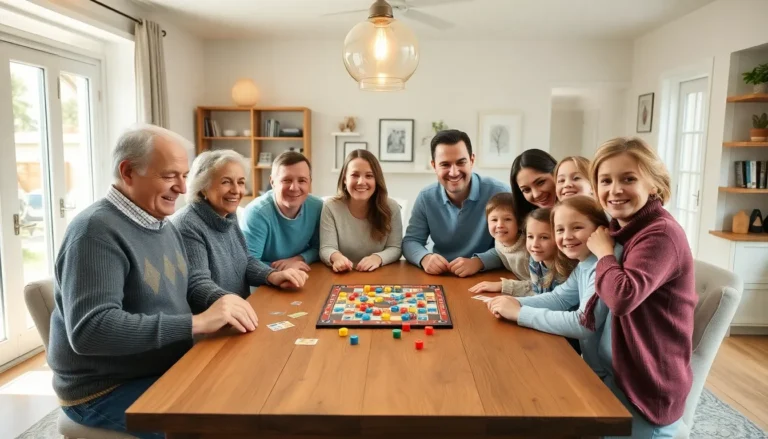
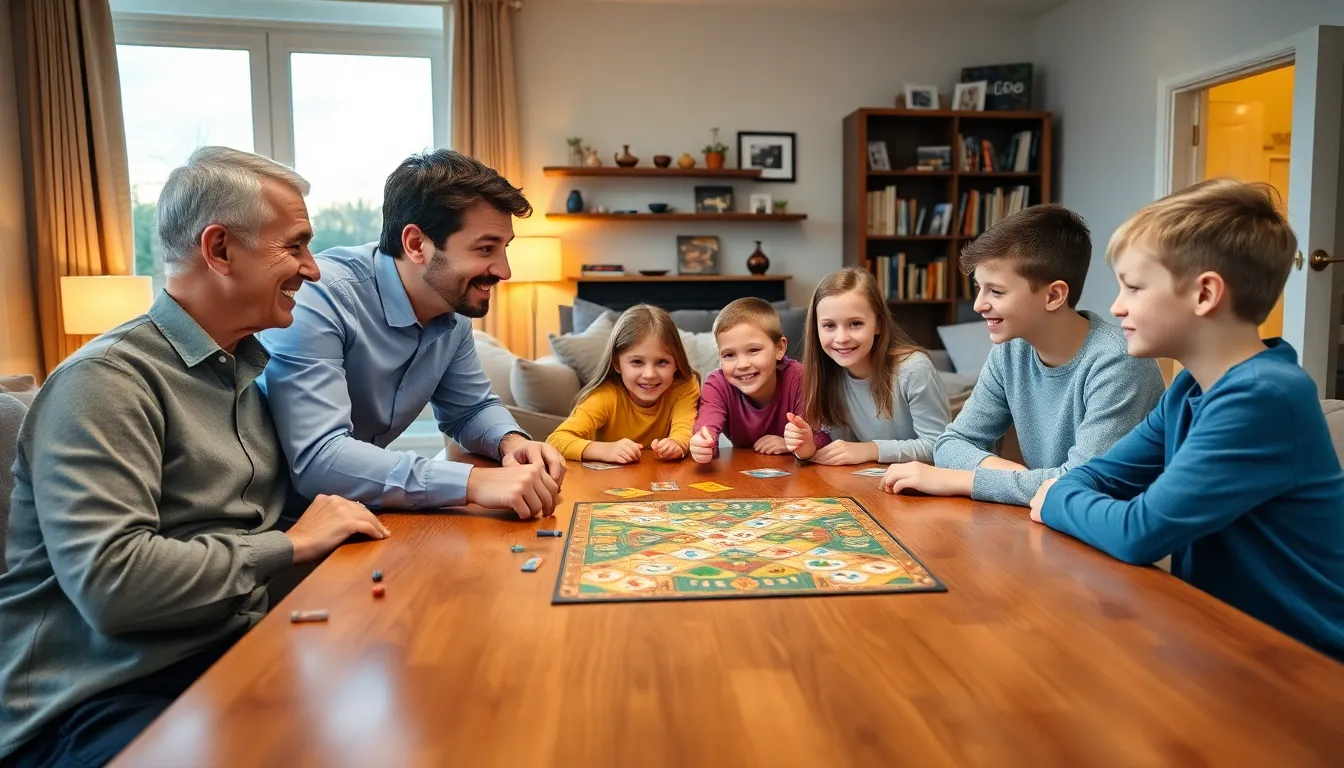
Family activities and games strategies matter more than most people realize. A well-planned game night or outdoor adventure can strengthen bonds, build communication skills, and create memories that last decades. Yet many families struggle to find activities that work for everyone, especially when ages, interests, and energy levels vary widely.
The good news? With the right approach, any family can turn ordinary evenings into something special. This guide covers practical strategies for choosing activities, winning at board games, getting active outdoors, and making family game time stick as a regular habit.
Table of Contents
ToggleKey Takeaways
- Effective family activities and games strategies consider age range, time available, physical abilities, and shared interests to keep everyone engaged.
- Teaching board games works best with a “learn as you go” approach rather than reading the entire rulebook upfront.
- Outdoor games like tag, scavenger hunts, and badminton add physical health benefits while strengthening family bonds.
- Setting a consistent weekly game night—like “Friday game night”—builds lasting habits better than occasional marathon sessions.
- Prioritize fun over winning by using handicaps, team play, or luck-based games, especially when playing with younger children.
- Adapt your family activities and games strategies as kids grow, staying flexible to match evolving interests and skill levels.
Choosing the Right Activities for Your Family
Picking family activities and games strategies that actually work requires honest assessment. Start by considering ages. A six-year-old won’t enjoy a three-hour strategy game, and teenagers might roll their eyes at Candy Land.
Consider these factors when selecting activities:
- Age range: Look for games with adjustable difficulty or team-based play that pairs younger kids with older family members
- Time available: Quick 15-minute games work better on busy weeknights: save longer adventures for weekends
- Physical abilities: Some family members may prefer sitting activities while others need movement
- Interest overlap: Find themes everyone can get behind, mystery, adventure, creativity, or competition
One effective strategy involves letting different family members take turns choosing the activity. This rotation gives everyone ownership and prevents the same person from always calling the shots.
Family activities and games strategies also depend on group size. A family of three needs different games than a household with six kids and visiting grandparents. Cooperative games work well for larger groups because they eliminate the “someone has to lose” problem that causes meltdowns with younger children.
Don’t overlook the classics. Charades, scavenger hunts, and simple card games have survived generations because they work. They require no screens, minimal setup, and scale easily for different group sizes.
Strategies for Board Games and Card Games
Board games and card games offer some of the best opportunities for family bonding. But winning strategies differ from game to game, and knowing a few tricks keeps things interesting.
Teaching New Games Effectively
The fastest way to kill enthusiasm? Reading the entire rulebook aloud before anyone touches a piece. Instead, try the “learn as you go” method. Explain basic goals, demonstrate one round, then start playing. Address specific rules when they become relevant.
Game-Specific Family Activities and Games Strategies
For strategy games like Ticket to Ride or Catan:
- Focus on your own goals rather than constantly blocking others (especially with kids)
- Keep multiple paths to victory open
- Trade fairly, being known as a bad trader hurts long-term success
For party games like Codenames or Pictionary:
- Think about what your specific teammates will understand, not what seems clever to you
- Simple clues beat elaborate ones
- Time limits keep energy high
For classic card games:
- Teach probability basics to older kids, it improves their math skills while making games more competitive
- Play for points across multiple rounds rather than single-game wins
- Create house rules that fit your family’s style
Family activities and games strategies should prioritize fun over winning. The parent who crushes their eight-year-old at chess every single time isn’t building great memories. Consider handicaps, team play, or games where luck plays a bigger role than skill.
Keep a small library of games at different complexity levels. Having options means there’s always something appropriate for the mood and time available.
Outdoor Games and Active Play Tips
Moving family activities and games strategies outside adds physical benefits to the mix. Fresh air, exercise, and natural light improve mood and sleep, bonuses that indoor games can’t match.
Low-Equipment Outdoor Games
Some of the best outdoor family activities require almost nothing:
- Tag variations: Freeze tag, shadow tag, and flashlight tag (for after dark) never get old
- Hide and seek: Works in backyards, parks, or even large indoor spaces
- Capture the flag: Perfect for larger family gatherings or neighborhood events
- Nature scavenger hunts: Create lists of items to find, pinecones, specific leaves, animal tracks
Equipment-Based Activities
A small investment opens up more options:
- Badminton sets work for all skill levels and ages
- Bocce ball or horseshoes let multiple generations compete fairly
- Frisbee golf uses trees and landmarks as targets
- Croquet combines strategy with outdoor enjoyment
Family activities and games strategies for outdoor play should account for weather and seasons. Summer evenings are perfect for water balloon games. Fall offers leaf pile jumping contests. Winter brings snowball target practice and sledding races. Spring works well for planting competitions or nature photography challenges.
Safety considerations matter too:
- Establish clear boundaries for games that involve running
- Check playing areas for hazards before starting
- Have water available during warm weather play
- Adjust intensity based on the least athletic family member
Outdoor family activities and games strategies work best when adults participate fully. Kids notice when parents half-heartedly throw a ball while checking their phones. Full engagement makes these moments count.
Making Family Game Time a Regular Habit
Good family activities and games strategies mean nothing without consistency. The families who benefit most from game time are those who protect it as a priority.
Building the Habit
Set a specific time: “Friday game night” works better than “we should play games more often.” Put it on the calendar. Treat it like any other appointment.
Start small: A 30-minute session every week beats a three-hour marathon that happens twice a year. Consistency matters more than duration.
Remove friction: Keep games accessible, not buried in closets. A dedicated game shelf or cabinet makes spontaneous play easier.
Create rituals: Maybe game night includes special snacks. Perhaps the winner picks next week’s activity. Small traditions make the event feel significant.
Handling Common Obstacles
Busy schedules kill most good intentions. Combat this by:
- Scheduling game time during meals (certain games work fine over dinner)
- Using car time for verbal games like 20 Questions or the Alphabet Game
- Keeping portable games ready for waiting rooms and restaurants
Family activities and games strategies must also address conflict. Siblings will argue. Someone will accuse another of cheating. Parents can prepare by:
- Establishing rules before play begins
- Appointing a rotating “referee” role
- Taking breaks when tensions rise
- Emphasizing process over outcome
Evolving Over Time
Family activities and games strategies should change as kids grow. The preschooler who loved matching games becomes the teenager who wants complex strategy. Stay flexible. Let interests guide choices. Revisit old favorites occasionally, sometimes they hit differently at different ages.
Document game nights with occasional photos or notes about who won what. Years later, these records become treasured memories.