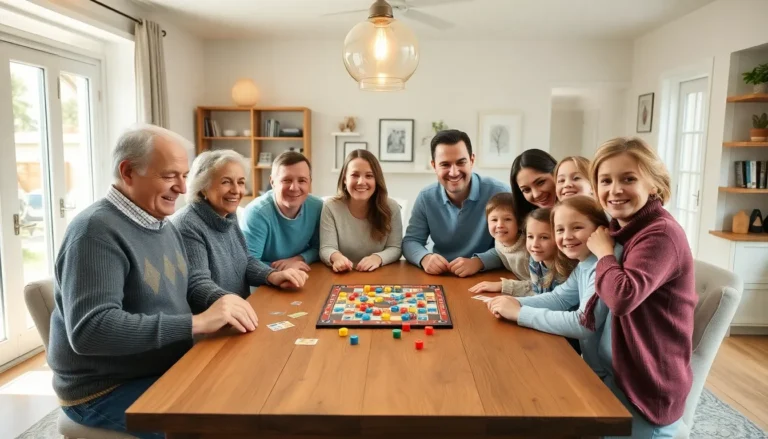

Family activities and games techniques help families bond, laugh, and create lasting memories. Whether it’s a rainy Saturday afternoon or a sunny weekend morning, the right activity can turn ordinary time into something special.
Finding activities that work for everyone, toddlers to grandparents, takes some thought. But once families discover what clicks, those shared moments become the stories told at future holiday dinners. This guide covers practical techniques for choosing games, keeping everyone engaged, and making family time genuinely enjoyable.
Table of Contents
ToggleKey Takeaways
- Successful family activities and games techniques match activities to your family’s ages, abilities, and available time for maximum enjoyment.
- Adding storytelling elements and conversation starters to games transforms ordinary play into meaningful connection opportunities.
- Indoor options like board games, building challenges, and cooking together keep families bonding regardless of weather.
- Outdoor games—from classic tag to nature scavenger hunts—combine physical activity with quality family time.
- Assign roles, take strategic breaks, and keep devices away to ensure everyone stays engaged during family game sessions.
- End activities while enthusiasm is still high to build anticipation for future family activities and games techniques.
Choosing the Right Activities for Your Family
Not every game suits every family. A household with teenagers has different energy than one with preschoolers. The key to successful family activities and games techniques lies in understanding what your specific group enjoys.
Consider ages and abilities first. A strategy board game might frustrate a five-year-old, while hide-and-seek could bore a teenager. Look for activities with flexible rules that can adapt to different skill levels. Games like Uno or charades work well because younger players can participate meaningfully while older ones stay challenged.
Think about your family’s personality. Some families thrive on competition. Others prefer cooperative experiences where everyone wins together. Cooperative board games like Forbidden Island or Pandemic let families work as a team rather than against each other.
Factor in available time. A quick card game fits into a busy weeknight. A full afternoon allows for elaborate scavenger hunts or building projects. Matching activity length to available time prevents frustration and incomplete experiences.
Ask family members directly what sounds fun. Kids often have strong opinions about activities, and involving them in the decision increases buy-in. Even young children can choose between two or three options.
Engaging Game Techniques That Build Connection
The best family activities and games techniques do more than fill time, they create genuine connection. Several approaches make games more meaningful.
Add storytelling elements. During board games or imaginative play, encourage family members to create backstories for their characters. This transforms simple gameplay into shared creative experiences. A game of checkers becomes more memorable when each piece has a name and motivation.
Use conversation starters within games. Some families add a rule: before taking a turn, answer a question from a jar. Questions can range from silly (“What animal would you be?”) to meaningful (“What’s something you’re proud of this week?”). This technique turns game night into genuine conversation time.
Rotate who leads. Let different family members teach games, set rules, or choose activities each week. Children gain confidence when given leadership roles, and parents learn what their kids value.
Celebrate creatively. Instead of just declaring a winner, create fun traditions around game endings. Maybe the winner picks the snack for next time, or the whole family does a silly dance together regardless of outcome. These rituals make family activities and games techniques feel special and worth repeating.
Indoor Activities for All Ages
Weather doesn’t have to stop family fun. Indoor family activities and games techniques keep everyone entertained without leaving home.
Classic Board Games and Card Games
Monopoly, Scrabble, and classic card games remain popular for good reason. They teach math, vocabulary, and strategy while providing face-to-face interaction. For younger families, games like Candy Land or Chutes and Ladders introduce turn-taking and rule-following.
Building and Creating
Lego challenges, puzzle marathons, and craft projects engage hands and minds. Set a timer and challenge everyone to build something specific using only materials found around the house. The results often surprise and delight.
Active Indoor Games
Don’t assume indoor means sitting still. Balloon volleyball, indoor bowling with plastic bottles, and freeze dance burn energy without breaking furniture. Clear some space and let everyone move.
Video Games Together
Multiplayer video games can strengthen family bonds when played together. Mario Kart, Just Dance, and cooperative adventure games give families shared digital experiences. The key is playing together rather than watching one person play.
Cooking and Baking
Making a meal together counts as quality family time. Assign age-appropriate tasks, young children can wash vegetables while teens handle chopping. Everyone eats the results together, adding another layer of shared experience.
Outdoor Games and Active Play Ideas
Fresh air adds energy to family activities and games techniques. Outdoor play offers space for movement and louder fun.
Classic yard games never disappoint. Tag variations, capture the flag, and kickball get hearts pumping. These games require minimal equipment and scale easily for different group sizes. Even adults benefit from running around like kids occasionally.
Sports with modified rules work well. Families don’t need perfect basketball skills to enjoy shooting hoops together. Lower expectations, adjust rules for younger players, and focus on fun rather than performance. A game of soccer where grandma gets extra time to kick works better than strict competition.
Nature activities combine exploration with play. Scavenger hunts in local parks, bird watching with simple identification guides, or geocaching adventures turn walks into games. These family activities and games techniques teach observation skills while keeping everyone engaged.
Seasonal activities create anticipation. Leaf pile jumping in fall, snowball fights in winter, water balloon battles in summer, each season offers unique outdoor opportunities. Families can build traditions around these seasonal games.
Gardening projects involve everyone. Planting a family garden gives ongoing engagement rather than one-time fun. Children check on growing plants, adults maintain the space, and everyone shares the harvest.
Tips for Keeping Everyone Involved
Even great family activities and games techniques can fall flat if someone feels left out. These strategies help maintain full participation.
Assign roles beyond just playing. Someone can be the scorekeeper, another the timekeeper, another the snack coordinator. Roles give purpose to family members who might otherwise disengage.
Take breaks strategically. Long game sessions benefit from planned intermissions. A snack break or quick stretch keeps energy and attention from flagging.
Address skill gaps openly. If one family member dominates every game, create handicaps or choose activities that level the playing field. Trivia games work well because different people know different things.
Handle conflict quickly. Arguments happen during competitive play. Establish rules beforehand about disputes, and move past disagreements without dwelling. The goal is connection, not victory.
Keep phones away. Family activities and games techniques work best when everyone focuses on the shared experience. Consider a basket where devices rest during game time.
End on high notes. Stop activities while everyone still wants more rather than pushing until people are bored or frustrated. Leaving some enthusiasm for next time builds anticipation.