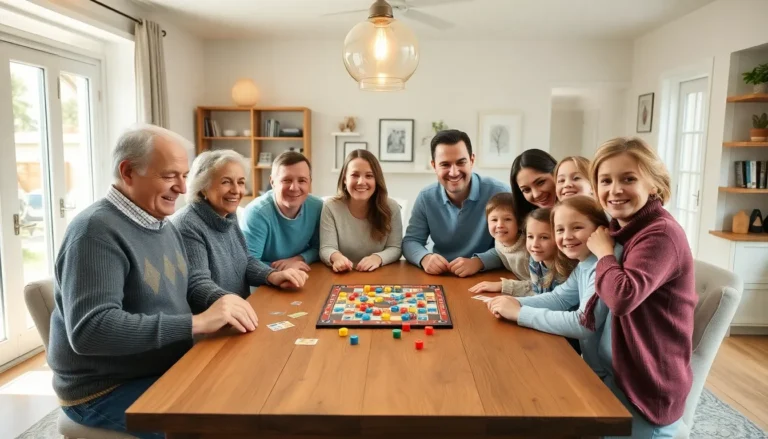

Family activities and games tips can transform an ordinary evening into a memorable bonding experience. Finding ways to connect with loved ones has become more important than ever. Kids grow up fast, schedules get packed, and those small moments of laughter around a board game or backyard scavenger hunt matter more than most people realize.
The good news? Building quality family time doesn’t require expensive equipment or elaborate planning. It requires intention, a few smart strategies, and activities that actually work for everyone in the household. This guide covers practical family activities and games tips that help families of all sizes create meaningful experiences together, without the stress or arguments that sometimes come with group activities.
Table of Contents
ToggleKey Takeaways
- Match family activities and games to the youngest participant while adding challenges for older kids to keep everyone engaged.
- Establish a consistent weekly game night and put phones away to create meaningful traditions everyone looks forward to.
- Balance screen time with hands-on play by setting limits and choosing interactive activities over passive entertainment.
- Set clear rules before starting any game and model good sportsmanship to prevent arguments and keep things fun.
- Try cooperative games occasionally to eliminate the winner-versus-loser dynamic and reduce family conflicts.
- Get creative with DIY games like scavenger hunts, homemade trivia, and obstacle courses—they cost nothing and often create the best memories.
Choose Age-Appropriate Activities for Everyone
One of the fastest ways to kill family fun is picking a game that leaves half the group frustrated. A five-year-old won’t enjoy a three-hour strategy game, and teenagers will tune out during activities designed for toddlers.
The solution? Match activities to the youngest participant while adding challenges for older kids. Card games like Uno work well because the basic rules are simple, but older players can strategize more. Outdoor activities such as relay races allow parents to adjust difficulty levels on the fly.
Here are some family activities and games tips for different age groups:
- Ages 3-5: Simple matching games, hide and seek, building blocks, and dance parties
- Ages 6-10: Board games with clear rules, scavenger hunts, arts and crafts projects
- Ages 11+: Strategy games, trivia nights, escape room puzzles, and team sports
When multiple age groups participate, consider team-based activities. Pairing younger children with older siblings or parents creates balance and gives everyone a meaningful role.
Set Up a Regular Family Game Night
Consistency beats spontaneity when building family traditions. A weekly or bi-weekly game night gives everyone something to look forward to and protects that time from other commitments.
Pick a specific day that works for the household, Friday evenings are popular since they mark the end of the school and work week. Put it on the calendar just like any other appointment.
Some family activities and games tips for successful game nights include:
- Rotate game selection. Let a different family member choose each week. This gives everyone ownership and introduces variety.
- Keep sessions manageable. An hour to ninety minutes works for most families. Longer sessions often lead to tired, cranky participants.
- Add snacks. Popcorn, fruit, or other finger foods make the evening feel special without creating a cleanup headache.
- Put phones away. This rule applies to parents too. Full attention makes everyone feel valued.
Game night doesn’t need to involve purchased games. Charades, twenty questions, and storytelling games cost nothing and often generate the biggest laughs.
Balance Screen Time With Hands-On Play
Screen time isn’t inherently bad, but it often replaces activities that build stronger connections. Video games can be fun, yet they rarely create the same memories as a messy art project or a competitive round of tag in the backyard.
The key is balance. Families can use screen-based activities strategically while making room for hands-on experiences.
Practical family activities and games tips for achieving this balance:
- Set screen time limits before starting. Agree on one hour of video games followed by an hour of something physical.
- Choose interactive screen activities over passive ones. Dance games, trivia apps, and multiplayer games where everyone participates beat solo gaming or watching videos.
- Create tech-free zones. The dinner table and game night can be designated phone-free spaces.
Outdoor activities provide an excellent screen-time alternative. A simple basketball game, nature walk, or garden project gets bodies moving and creates opportunities for conversation that don’t happen during screen time.
Create Simple Rules to Keep Things Fair and Fun
Arguments over rules can ruin family activities faster than anything else. Clear expectations set before the game starts prevent most conflicts.
Effective family activities and games tips around rules include:
- Read rules together before playing a new game. Don’t assume everyone understands.
- Establish house rules for recurring disputes. If the family always argues about one aspect of a game, create a consistent policy.
- Model good sportsmanship. Parents who handle losing gracefully teach kids the same behavior. Celebrate good plays regardless of who makes them.
- Take breaks when tensions rise. A five-minute pause can reset attitudes before things escalate.
For competitive families, consider cooperative games occasionally. These games require players to work together against the game itself rather than each other. Titles like Pandemic Junior, Forbidden Island, and Outfoxed. eliminate the winner-versus-loser dynamic entirely.
Younger children often need modified rules. Letting a four-year-old have extra turns or simplified objectives keeps them engaged without disrupting the game for everyone else.
Get Creative With DIY Games and Activities
Some of the best family memories come from activities that cost nothing but time and imagination. DIY games encourage creativity and give families a shared project before the actual playing begins.
Here are family activities and games tips for creating homemade fun:
Indoor scavenger hunts: Write clues on paper and hide them around the house. Each clue leads to the next until players find a small prize or treat.
Homemade trivia: Family members create questions about shared experiences, favorite movies, or random facts. This becomes a test of how well everyone knows each other.
Obstacle courses: Use pillows, chairs, blankets, and whatever else is available. Time each participant and see who completes the course fastest.
Story building: One person starts a story with a single sentence. The next person adds a sentence, and the tale continues around the group. The results are usually absurd and hilarious.
Art challenges: Everyone gets the same supplies and thirty minutes to create something based on a theme. Display the finished work and celebrate each creation.
DIY activities teach problem-solving and resourcefulness while creating unique family experiences that can’t be replicated with store-bought games.