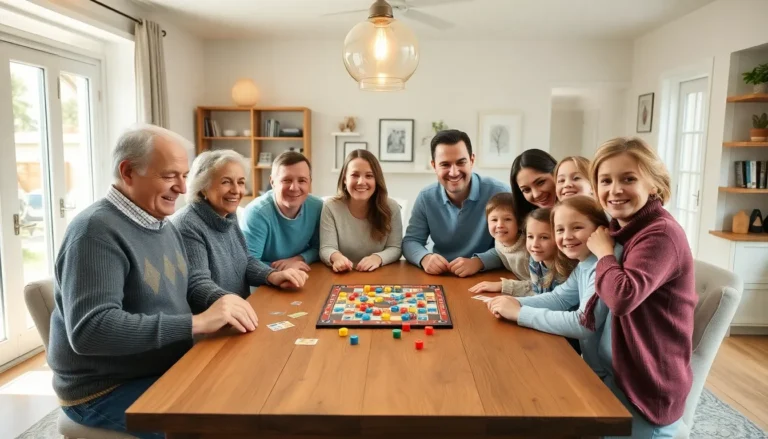
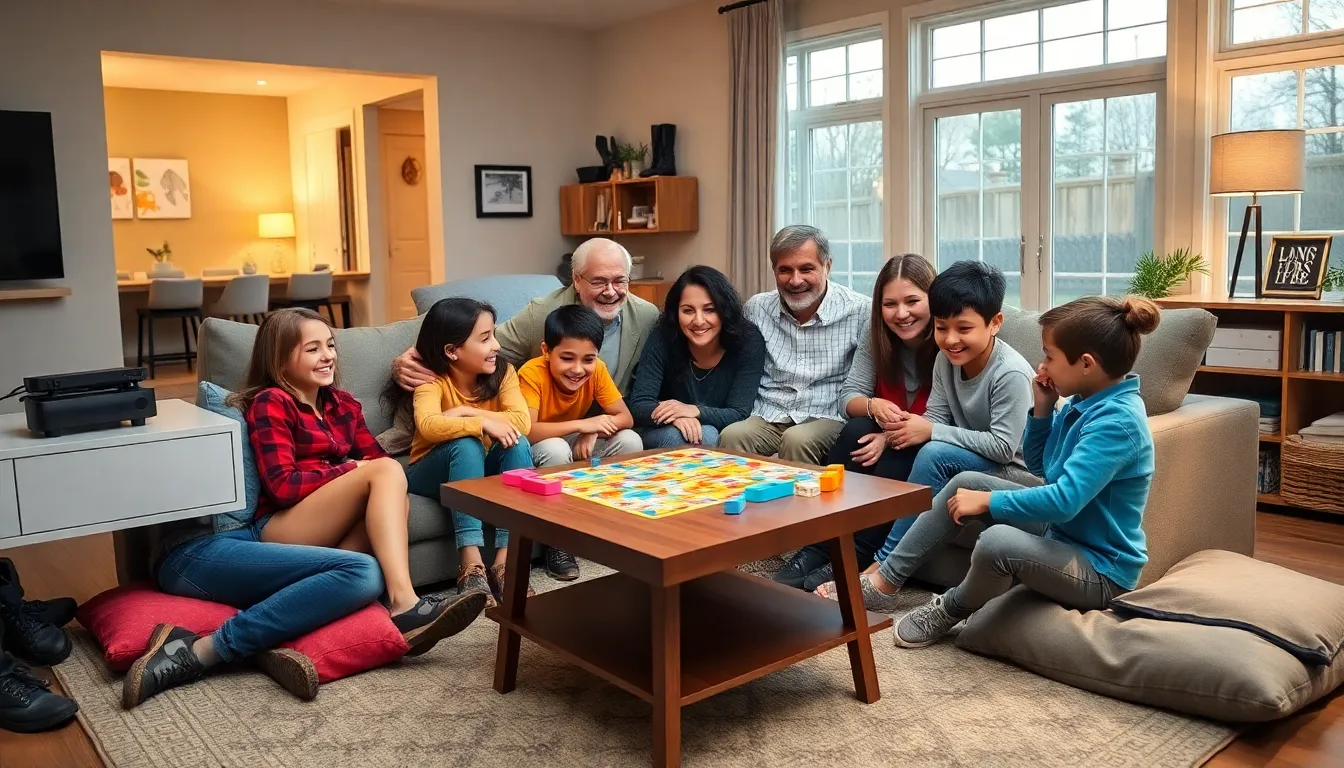
Family activities and games create lasting memories and strengthen bonds between parents and children. But with so many options available, how do families decide what works best for them? This guide compares different types of family activities and games to help parents make informed choices.
Whether a family prefers staying indoors or heading outside, playing board games or video games, or sticking to free options versus paid entertainment, each choice offers unique benefits. The goal is simple: find activities that bring everyone together and create genuine moments of connection. Let’s break down the options.
Table of Contents
ToggleKey Takeaways
- Family activities and games create lasting memories when families mix indoor bonding time with outdoor adventures for balanced experiences.
- Board games encourage face-to-face interaction and teach valuable skills, while video games offer cooperative play and can connect distant family members.
- Active games improve physical health and help high-energy children burn off steam, while creative activities engage imagination across all age groups.
- Free family activities like hiking, game nights, and backyard stargazing often create the most meaningful memories without straining budgets.
- Rotate through different types of family activities and games regularly to keep everyone engaged and prevent boredom.
- Let every family member contribute activity ideas to increase investment and make family time enjoyable for all ages.
Indoor Family Activities vs. Outdoor Adventures
Indoor family activities and outdoor adventures serve different purposes, and both deserve a spot in any family’s routine.
Indoor Family Activities
Indoor options work well during bad weather, extreme temperatures, or when family members need a calmer environment. Popular indoor family activities include:
- Puzzle nights
- Movie marathons with homemade popcorn
- Cooking or baking together
- Arts and crafts projects
- Dance parties in the living room
Indoor activities often require less preparation and allow families to stay comfortable. They’re also easier to fit into busy weekday evenings.
Outdoor Adventures
Outdoor family activities offer physical exercise and exposure to nature. Research from the American Academy of Pediatrics shows children benefit from at least 60 minutes of physical activity daily. Outdoor games help families meet this goal while having fun.
Great outdoor options include hiking, biking, backyard sports, nature scavenger hunts, and trips to local parks. These activities build physical fitness and create opportunities for exploration.
The verdict? Families benefit most from mixing both types. Indoor activities provide cozy bonding time, while outdoor adventures add energy and exercise to the mix.
Board Games vs. Video Games for Family Bonding
The board games versus video games debate sparks strong opinions among parents. Both options qualify as legitimate family activities and games, but they offer different experiences.
Board Games
Board games encourage face-to-face interaction. Players sit together, make eye contact, and communicate directly. Classic options like Monopoly, Scrabble, and Clue remain popular, while newer games like Ticket to Ride and Codenames have gained loyal followings.
Board games teach valuable skills:
- Turn-taking and patience
- Strategic thinking
- Graceful winning and losing
- Math and reading reinforcement
They also eliminate screen time concerns, which matters to many parents.
Video Games
Video games have evolved significantly. Many modern titles support cooperative play where family members work together toward shared goals. Games like Mario Kart, Overcooked, and Minecraft encourage teamwork and communication.
Video games can also include family members who live far away through online play. Grandparents in another state can join game nights virtually.
The downside? Excessive screen time remains a valid concern. Setting time limits helps families enjoy video games without overdoing it.
For maximum benefit, families can alternate between board games and video games. This approach satisfies everyone’s preferences while keeping activities varied.
Active Games vs. Creative Activities
When comparing family activities and games, energy level matters. Some families thrive on movement, while others prefer quieter creative pursuits.
Active Games
Active games get everyone moving. Tag, relay races, basketball, soccer, and swimming count as active family games. Even indoor options like Twister, dance video games, or obstacle courses add physical movement to family time.
Benefits of active games include:
- Improved cardiovascular health for all ages
- Better sleep quality
- Stress reduction through exercise
- Healthy competition and teamwork
Families with high-energy children often find active games essential for burning off excess energy before bedtime.
Creative Activities
Creative activities engage different skills. Painting, drawing, building with LEGO sets, writing stories together, or creating family scrapbooks stimulate imagination and self-expression.
These activities work particularly well for:
- Families with varied age ranges
- Children who prefer quieter environments
- Rainy day entertainment
- Creating keepsakes and memories
Creative activities also accommodate different ability levels. A five-year-old and a teenager can both contribute to a family art project in meaningful ways.
Smart families keep both active games and creative activities in their rotation. This balance meets different needs on different days.
Free Activities vs. Paid Entertainment Options
Budget plays a major role in planning family activities and games. The good news? Quality family time doesn’t require spending money.
Free Family Activities
Plenty of excellent family activities cost nothing:
- Hiking local trails
- Playing at public parks
- Having game nights with games already owned
- Stargazing in the backyard
- Library visits and story times
- Cooking together with ingredients already at home
- Fort building with blankets and pillows
Free activities often create the most meaningful memories. Children rarely remember how much an activity cost, they remember the laughter and connection.
Paid Entertainment Options
Sometimes paid activities make sense. Bowling alleys, mini golf courses, escape rooms, trampoline parks, and movie theaters offer experiences families can’t replicate at home.
Paid options work best as occasional treats rather than weekly habits. They add variety and excitement to family routines without straining budgets.
Tips for balancing costs:
- Look for discount days at local attractions
- Use library passes for free museum entry (many libraries offer these)
- Choose one special paid activity per month
- Save expensive outings for birthdays or celebrations
Families can enjoy rich, varied activity schedules while keeping most options free or low-cost.
Choosing the Right Activity for Your Family
Selecting the best family activities and games depends on several factors unique to each household.
Consider Your Family’s Composition
Age ranges matter significantly. Families with toddlers need different activities than families with teenagers. Activities that work for a family of three may not suit a family of seven.
Ask these questions:
- What ages are the children?
- Does anyone have physical limitations?
- What interests do family members share?
- How much time is available?
Match Activities to Energy Levels
Some days call for active games. Other days, everyone feels tired and prefers quieter options. Reading the room helps families choose appropriate activities.
Rotate Regularly
Doing the same activity every week gets boring. Successful families rotate through different types of family activities and games. They might do outdoor adventures one weekend, board games the next, and creative projects after that.
Let Everyone Contribute Ideas
Children feel more invested when they help choose activities. Keeping a family suggestion jar or taking turns picking activities gives everyone ownership of family time.
The best approach combines flexibility with consistency. Regular family activity time matters more than choosing the “perfect” activity every time.