
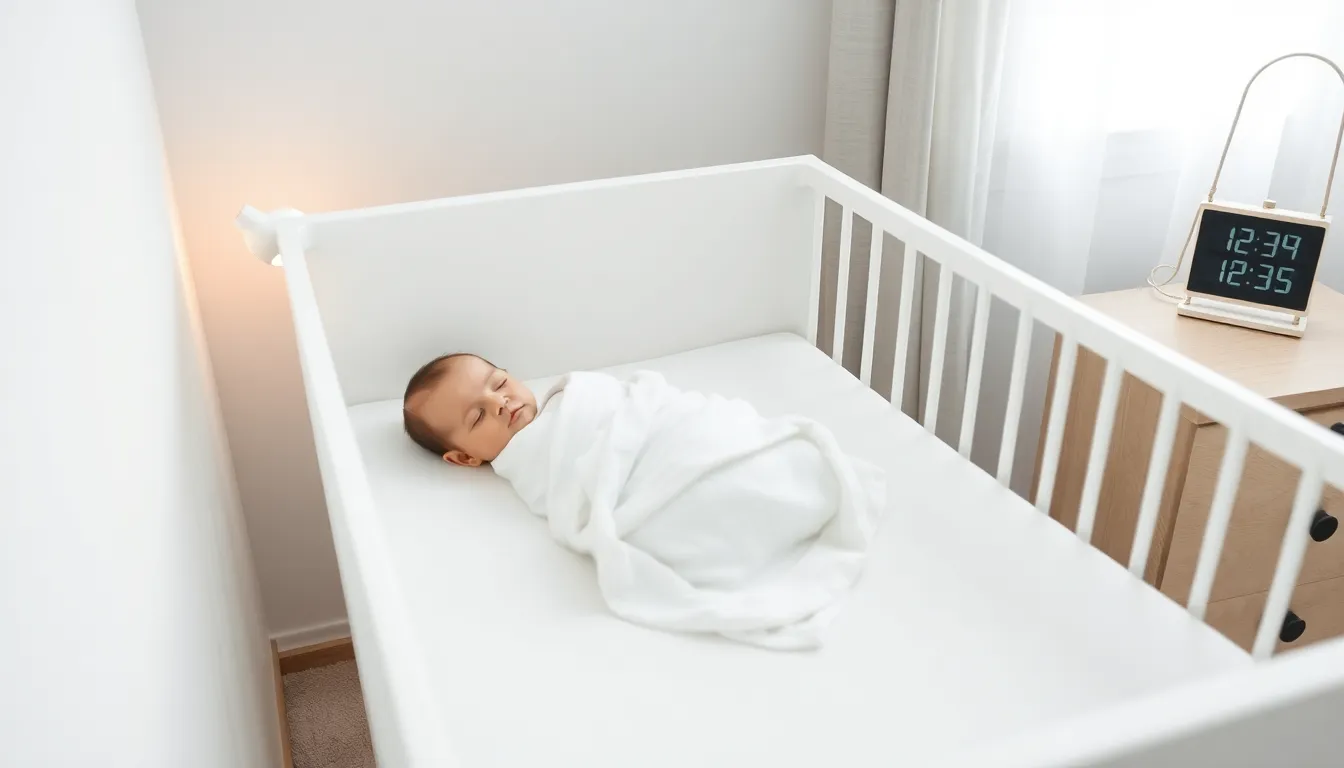
Newborn sleep cycles examples help parents understand what’s actually happening when their baby sleeps, and why it often feels so unpredictable. Unlike adults, newborns cycle through sleep stages quickly, waking frequently throughout the day and night. This guide breaks down how newborn sleep cycles work, provides real-world examples of typical sleep patterns, and offers practical tips to support healthier sleep habits. Whether a baby is two weeks or two months old, knowing what to expect makes those early weeks a little easier to manage.
Table of Contents
ToggleKey Takeaways
- Newborn sleep cycles last only 40–50 minutes, which explains why babies wake so frequently compared to adults.
- Newborns spend about 50% of their sleep in active (light) sleep, making them more prone to waking from hunger or environmental changes.
- Common newborn sleep cycles examples include the 45-minute napper, multi-cycle napper, and catnapper—all are normal variations.
- Circadian rhythms typically develop between 6 and 12 weeks, so expect irregular day-night patterns before then.
- Supporting healthy sleep includes respecting the 40–50 minute cycle, watching for sleep cues, and creating day-night distinction through light exposure.
- Flexibility matters more than rigid schedules during the first three months, as growth spurts and developmental changes will disrupt sleep patterns.
How Newborn Sleep Cycles Work
Newborn sleep cycles function differently than adult sleep cycles. Adults move through 90-minute cycles with distinct stages, but newborns complete their cycles in just 40 to 50 minutes. This shorter duration explains why babies wake so often.
A newborn sleep cycle has two main phases: active sleep and quiet sleep. Active sleep resembles REM (rapid eye movement) sleep in adults. During this phase, babies may twitch, move their eyes beneath closed lids, and breathe irregularly. Their brains process new information during active sleep, which supports development.
Quiet sleep is the deeper stage. Babies lie still, breathe evenly, and are harder to wake. This phase allows physical restoration and growth hormone release.
Here’s what makes newborn sleep cycles examples so different from adult patterns: newborns spend about 50% of their sleep time in active sleep, compared to 20-25% for adults. This high percentage of lighter sleep means babies wake more easily, from hunger, discomfort, or environmental changes.
Newborns also lack circadian rhythms during their first weeks. Their bodies don’t yet distinguish day from night. This internal clock typically develops between 6 and 12 weeks of age. Until then, sleep happens in short bursts around the clock.
Another key factor is stomach size. A newborn’s stomach holds only 1-2 ounces at birth. Frequent feedings become necessary, which naturally interrupts sleep cycles. By one month, stomach capacity increases to about 4 ounces, allowing slightly longer stretches between feeds.
Examples of Typical Newborn Sleep Patterns
Real newborn sleep cycles examples vary from baby to baby, but certain patterns appear consistently. The following examples illustrate what parents might observe during the first few months.
Daytime Sleep Cycle Examples
Daytime sleep for newborns typically occurs in multiple short naps rather than consolidated blocks. Here are common scenarios:
Example 1: The 45-Minute Napper
A three-week-old baby falls asleep after a morning feeding at 9:00 AM. They enter active sleep first, twitching and making small sounds. After 25 minutes, they shift into quiet sleep. At the 45-minute mark, one complete sleep cycle, they wake up. Many parents notice their newborn waking at almost exactly this interval.
Example 2: The Multi-Cycle Napper
A six-week-old baby takes an afternoon nap starting at 1:00 PM. They complete one 50-minute cycle, stir briefly, then settle into a second cycle. This baby sleeps for nearly two hours total. Some newborns link cycles naturally, while others need help transitioning.
Example 3: The Catnapper
An eight-week-old takes four or five 20-30 minute naps throughout the day. These babies often wake during the transition between active and quiet sleep, never completing a full cycle. Short naps are frustrating but normal for many newborns.
Nighttime Sleep Cycle Examples
Nighttime sleep cycles show different patterns as babies develop:
Example 1: Week One
A one-week-old sleeps in 2-3 hour stretches at night. They wake, feed for 20-30 minutes, and return to sleep. This pattern repeats four to five times between 8:00 PM and 7:00 AM. Total nighttime sleep equals 8-9 hours, broken into multiple segments.
Example 2: Week Six
A six-week-old begins showing longer initial stretches. They fall asleep at 8:00 PM and sleep until midnight, a four-hour block. After feeding, they return to sleep for 3 hours, then 2 hours. The longest sleep stretch often occurs in the first part of the night.
Example 3: Week Ten
A ten-week-old demonstrates emerging circadian rhythm. They sleep from 9:00 PM to 2:00 AM (five hours), feed, then sleep until 5:30 AM. After another feeding, they sleep until 7:00 AM. Total nighttime sleep approaches 9-10 hours with two feedings.
These newborn sleep cycles examples represent typical progressions, though individual babies vary widely. Premature babies, breastfed versus formula-fed babies, and babies with reflux may show different patterns.
Tips for Supporting Healthy Sleep Cycles
Parents can take specific actions to support their newborn’s sleep cycles without fighting biology.
Respect the 40-50 Minute Window
Knowing that newborn sleep cycles last 40-50 minutes helps set realistic expectations. When a baby wakes at these intervals, they’re not broken, they’re normal. Give them a moment to see if they’ll resettle before intervening.
Create Day-Night Distinction
Expose babies to natural light during daytime hours and keep nights dark and quiet. This light exposure helps the circadian rhythm develop faster. Daytime feedings can include talking and activity: nighttime feedings stay calm and dimly lit.
Watch for Sleep Cues
Newborns show tiredness through yawning, eye rubbing, fussiness, and turning away from stimulation. Acting on these cues quickly prevents overtiredness, which actually makes falling asleep harder.
Establish a Simple Bedtime Routine
Even at 4-6 weeks, a short bedtime routine signals sleep time. A warm bath, gentle massage, feeding, and dim lights create consistent cues. Keep the routine under 30 minutes.
Swaddle During Sleep
Swaddling mimics the womb environment and reduces the startle reflex that wakes many newborns during active sleep. Ensure the swaddle allows hip movement and stops once babies show rolling signs.
Accept Variability
Newborn sleep cycles examples from books rarely match real life perfectly. Growth spurts, developmental leaps, and minor illnesses disrupt established patterns. Flexibility serves parents better than rigid schedules during the first three months.