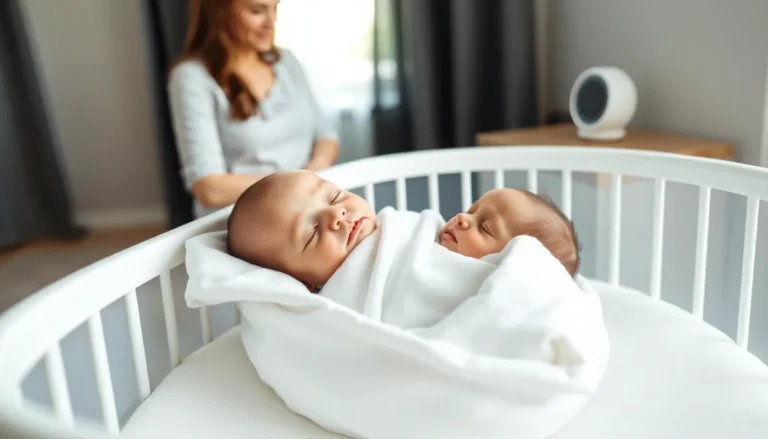
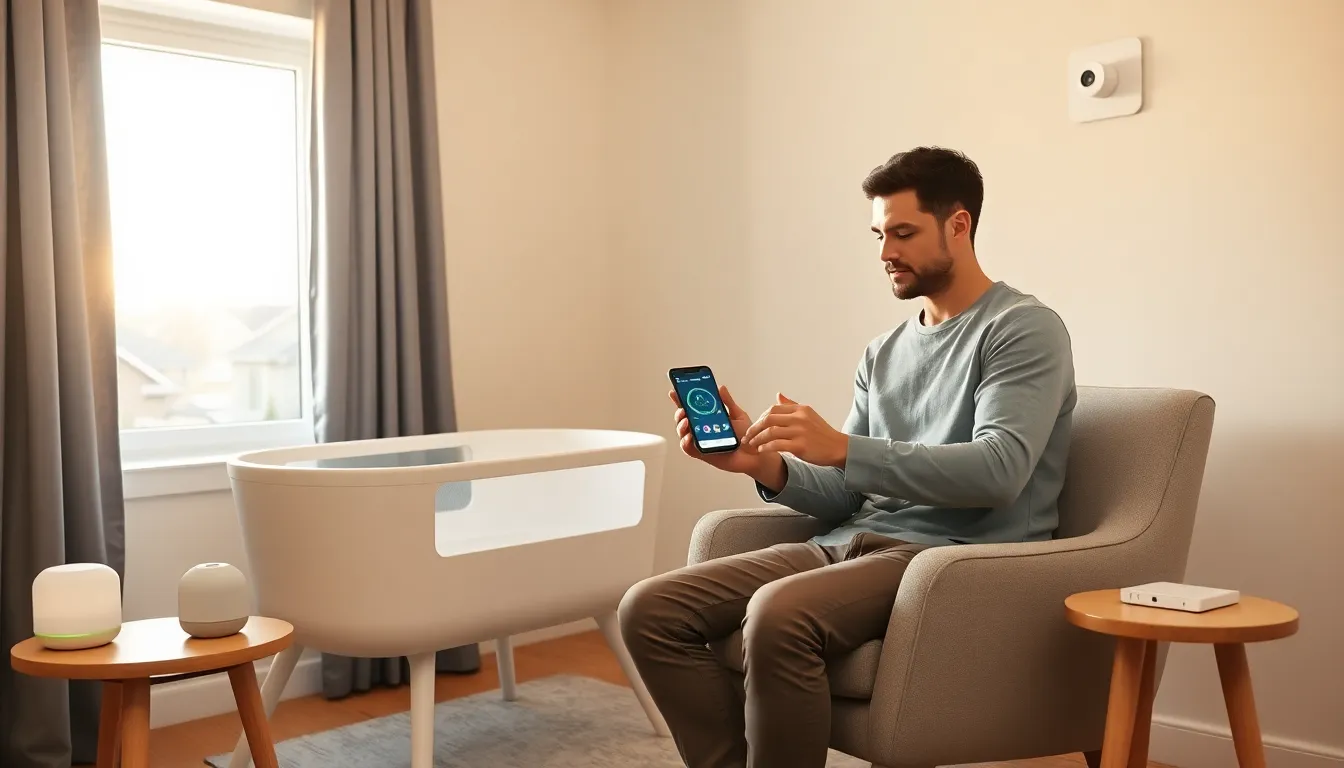
Newborn sleep cycles tools can transform chaotic nights into manageable routines. New parents often struggle with unpredictable sleep patterns, and the right tools make a real difference. Babies cycle through sleep stages differently than adults, their sleep periods are shorter, lighter, and more frequent. This guide covers the best tools to track, support, and improve a newborn’s sleep. From apps to wearable monitors, parents will find practical solutions that actually work.
Table of Contents
ToggleKey Takeaways
- Newborn sleep cycles last 50–60 minutes with frequent wake-ups, so parents should set realistic expectations rather than forcing adult-like patterns.
- Sleep tracking apps like Huckleberry and smart bassinets help parents identify patterns and predict optimal nap times for their baby.
- White noise machines, blackout curtains, and room temperature monitors create an ideal sleep environment that supports longer, more restful sleep.
- Wearable monitors and smart devices track breathing, movement, and sleep quality, giving parents valuable data and peace of mind.
- Start with one or two newborn sleep cycles tools and stay consistent—routines help babies learn sleep cues and make patterns easier to spot.
- Review sleep data weekly to identify trends, but trust your instincts and avoid obsessing over every number.
Understanding Newborn Sleep Cycles
Newborn sleep cycles last about 50 to 60 minutes, compared to the 90-minute cycles adults experience. Babies spend more time in active sleep (REM), which explains the twitching, eye movement, and occasional sounds they make while resting. During active sleep, their brains process new information and build neural connections.
Newborns don’t distinguish between day and night for the first few weeks. Their circadian rhythms take time to develop, usually around 3 to 4 months of age. This means parents deal with frequent wake-ups around the clock.
A typical newborn sleeps 14 to 17 hours per day, but this sleep comes in short bursts of 2 to 4 hours. Between cycles, babies often wake briefly. Some settle back to sleep on their own, while others need help from a caregiver.
Understanding these newborn sleep cycles helps parents set realistic expectations. The goal isn’t to force adult-like sleep patterns. Instead, parents should work with their baby’s natural rhythms and use tools that support healthy sleep development.
Essential Tools for Tracking Sleep Patterns
Tracking sleep patterns gives parents valuable data about their baby’s habits. Several newborn sleep cycles tools help identify trends and predict wake times.
Sleep Tracking Apps
Apps like Huckleberry, Baby Tracker, and Glow Baby allow parents to log sleep times, feeding schedules, and diaper changes. Huckleberry uses predictive technology to suggest optimal nap times based on the baby’s history. These apps store data over weeks and months, helping parents spot patterns they might otherwise miss.
Paper Logs and Journals
Some parents prefer old-school methods. A simple notebook by the crib works well for recording sleep and wake times. Paper logs require no charging, no syncing, and no subscription fees. They’re straightforward and reliable.
Smart Bassinets with Built-In Tracking
Products like the SNOO Smart Sleeper automatically log sleep data. The bassinet responds to a baby’s cries with motion and sound, and it records how long the baby slept and how often they woke. Parents can review this information through a connected app.
Tracking tools help parents communicate with pediatricians too. Having concrete data about newborn sleep cycles makes conversations about sleep concerns more productive.
Sound Machines and Sleep Environment Tools
The right sleep environment supports longer, more restful sleep. Sound machines rank among the most popular newborn sleep cycles tools for good reason.
White Noise Machines
White noise mimics the sounds babies heard in the womb, constant, soothing, and consistent. Machines like the Hatch Rest, Dohm, and Yogasleep produce various sound options. White noise masks household sounds that might startle a sleeping baby. Research suggests it can help infants fall asleep faster and stay asleep longer.
Parents should place sound machines at least 7 feet from the crib and keep the volume below 50 decibels. This protects developing ears while still providing sleep support.
Blackout Curtains
Darkness signals the brain to produce melatonin, the hormone that promotes sleep. Blackout curtains block outside light and help establish day-night distinctions. Even small amounts of light can disrupt sleep, so complete darkness matters.
Room Temperature Monitors
Babies sleep best in rooms between 68 and 72 degrees Fahrenheit. Digital thermometers and smart monitors track room temperature and humidity levels. Some devices alert parents if conditions fall outside the ideal range.
Combining these tools creates an optimal sleep space. A dark, quiet, comfortable room gives newborns the best chance at quality rest.
Wearable Monitors and Smart Devices
Wearable monitors give parents peace of mind while gathering data on newborn sleep cycles. These devices track breathing, movement, heart rate, and sleep patterns.
Sock and Band Monitors
The Owlet Dream Sock and Snuza Hero attach to the baby’s foot or diaper area. They monitor oxygen levels and heart rate, alerting parents to potential concerns. These wearables also track sleep duration and quality, syncing data to smartphone apps.
Video Monitors with Sleep Tracking
Modern baby monitors do more than show video. Products like the Nanit Pro and Miku analyze sleep patterns using camera technology. They track breathing motion without requiring any wearable device on the baby. These monitors generate sleep reports and offer tips based on the data they collect.
Smart Cribs and Motion Devices
The SNOO and similar smart bassinets respond to crying with gentle rocking and white noise. They learn a baby’s patterns over time and adjust their responses. Parents can control settings through apps and review detailed sleep logs each morning.
Wearable monitors and smart devices represent significant investments. But, many parents find the data and peace of mind worth the cost. These newborn sleep cycles tools provide information that supports better sleep decisions.
Tips for Using Sleep Tools Effectively
Having the right newborn sleep cycles tools matters less than using them well. Here’s how parents can get the most from their sleep tech.
Start simple. New parents don’t need every gadget on the market. Begin with one or two tools and add more only if needed. A sound machine and a basic tracking app cover most needs.
Stay consistent. Tools work best as part of a predictable routine. Use the sound machine at every sleep period. Log data at the same times each day. Consistency helps babies learn sleep cues and helps parents identify patterns.
Trust the data, but trust instincts too. Apps and monitors provide useful information, but they can’t replace a parent’s judgment. If something feels wrong, address it, even if the data looks normal.
Don’t obsess over the numbers. Tracking every minute of sleep can increase anxiety rather than reduce it. Parents should use data as a helpful guide, not a source of stress. Some variation in sleep patterns is completely normal.
Review and adjust. Check sleep data weekly to spot trends. If wake times are increasing, consider environmental factors like temperature or noise. If naps are getting shorter, the baby might be ready for a schedule change.
Give new tools time. Babies need several days to adjust to changes. A new sound machine or sleep schedule won’t show results overnight. Parents should wait at least a week before deciding if a tool works.