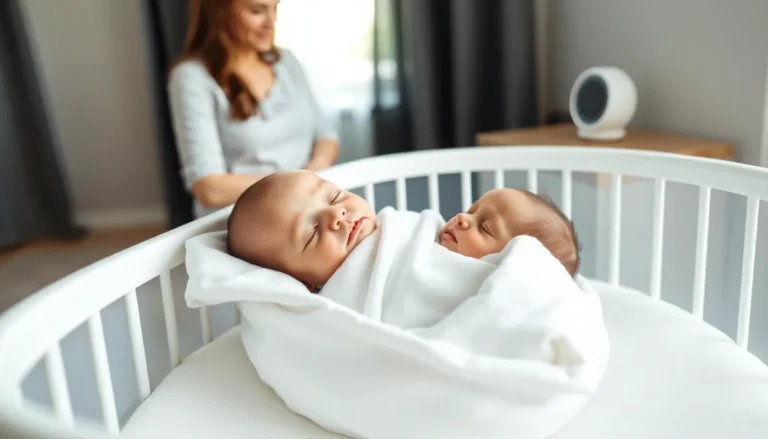
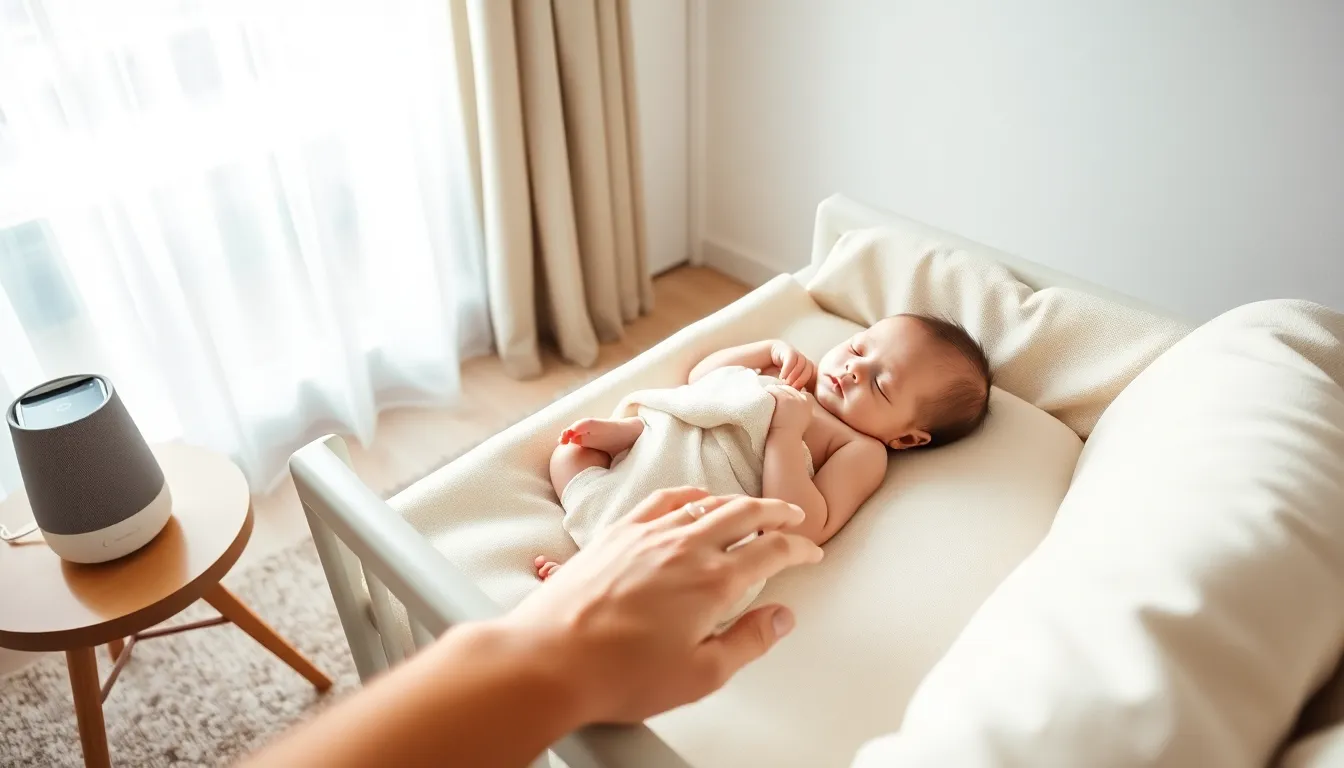
Newborn sleep cycles trends 2026 are reshaping how parents approach their baby’s rest. Sleep science continues to advance, and researchers are uncovering new insights about infant sleep patterns. Parents today have access to better tools, updated guidelines, and fresh research that can help their newborns sleep more soundly.
This article covers the latest developments in newborn sleep cycles for 2026. It explains the basics of infant sleep, highlights emerging research, reviews new technology solutions, and shares expert-recommended practices. Whether someone is a first-time parent or welcoming another child, understanding these newborn sleep cycles trends can make a real difference in those early months.
Table of Contents
ToggleKey Takeaways
- Newborn sleep cycles last 50-60 minutes and include active (REM) and quiet (deep) sleep phases, with babies sleeping 14-17 hours daily in short bursts.
- Early exposure to natural light during the day and dim environments at night helps newborns develop circadian rhythms faster and establish predictable sleep schedules.
- Smart technology like wearable trackers, AI-powered apps, and smart bassinets can support newborn sleep cycles but should complement—not replace—safe sleep practices.
- Following the 2026 safe sleep guidelines means placing babies on their backs on a firm, flat surface with no loose bedding and room-sharing for the first 6 months.
- Watch for sleep cues like yawning, eye rubbing, and fussiness to prevent overtiredness, which makes it harder for newborns to fall asleep.
- Wait until babies are at least 4 months old before attempting formal sleep training, as newborn sleep cycles are too immature for training methods to be effective earlier.
Understanding Newborn Sleep Cycle Basics
Newborn sleep cycles differ significantly from adult sleep patterns. A typical newborn sleeps 14 to 17 hours per day, but this sleep happens in short bursts. Most newborns sleep for 2 to 4 hours at a time before waking to feed.
Newborn sleep cycles last about 50 to 60 minutes. Adults cycle through sleep stages every 90 minutes, so babies move through their patterns much faster. Each cycle includes two main phases: active sleep (similar to REM sleep) and quiet sleep (similar to deep sleep).
Active Sleep Phase
During active sleep, newborns may twitch, move their eyes beneath closed lids, and breathe irregularly. This phase supports brain development. Newborns spend about half their sleep time in this active phase, much more than adults do.
Quiet Sleep Phase
Quiet sleep is deeper and more restful. Babies lie still, breathe evenly, and are harder to wake. This phase helps physical growth and restoration. As babies mature, they spend more time in quiet sleep.
Understanding these newborn sleep cycles helps parents set realistic expectations. A baby who wakes frequently is not necessarily having problems, they are following their natural sleep rhythm. By around 3 to 4 months, most babies start developing longer sleep stretches as their newborn sleep cycles begin to mature.
Emerging Sleep Research and Discoveries for 2026
Research on newborn sleep cycles continues to produce valuable findings. Several studies from 2025 are influencing how pediatricians and sleep consultants advise parents in 2026.
Circadian Rhythm Development
New research confirms that newborns lack a developed circadian rhythm at birth. Their internal clocks take 3 to 4 months to mature. Recent studies suggest that early exposure to natural light during the day and dim environments at night can help babies develop their circadian rhythms faster. Parents who follow these light patterns often report their newborns establishing more predictable sleep schedules sooner.
Microbiome and Sleep Connection
Emerging research links gut health to sleep quality in infants. Studies show that certain gut bacteria may influence sleep hormone production. While this research is still early, some pediatricians are paying closer attention to feeding practices and their potential effects on newborn sleep cycles.
Safe Sleep Updates
The American Academy of Pediatrics continues to refine safe sleep guidelines. For 2026, the emphasis remains on placing babies on their backs in a clear sleep space. New recommendations also address the use of wearable monitors and smart devices, urging parents to use them as supplements, not replacements, for safe sleep practices.
These discoveries about newborn sleep cycles give parents evidence-based strategies to support their baby’s rest. Science is providing clearer answers to questions that once relied mainly on guesswork.
Technology and Smart Sleep Solutions
Technology has transformed how parents monitor and support newborn sleep cycles. In 2026, several innovations are gaining popularity among new families.
Wearable Sleep Trackers
Wearable devices designed for babies can track sleep duration, movement, and heart rate. These trackers sync with smartphone apps to give parents detailed data about their newborn’s sleep cycles. Popular options include sock-style monitors and diaper clip sensors. While helpful, pediatricians remind parents that these devices should not replace safe sleep practices.
Smart Bassinets
Smart bassinets have become more sophisticated. These cribs detect when a baby stirs and respond with gentle rocking or white noise. Some models learn a baby’s preferences over time and adjust automatically. Prices have dropped since earlier versions, making smart bassinets more accessible to average families.
White Noise and Sound Machines
Sound machines remain a staple for supporting newborn sleep cycles. Newer models offer app control, timer settings, and a wider variety of sounds. Research supports using consistent low-level white noise to help babies transition between sleep cycles without fully waking.
AI-Powered Sleep Analysis
Some apps now use artificial intelligence to analyze a baby’s sleep patterns and offer personalized suggestions. These tools consider feeding schedules, nap times, and environmental factors. Parents receive tips specific to their baby’s routine rather than generic advice.
Technology can be a useful tool, but it works best when combined with an understanding of newborn sleep cycles and evidence-based practices.
Expert-Recommended Sleep Practices for the New Year
Sleep consultants and pediatricians share several recommendations for optimizing newborn sleep cycles in 2026. These practices combine traditional wisdom with recent research findings.
Establish a Consistent Bedtime Routine
A predictable routine signals to a baby that sleep time is approaching. Experts suggest starting with a warm bath, followed by a feeding, a short story or song, and then placing the baby in their sleep space. Consistency matters more than the specific activities.
Watch for Sleep Cues
Newborns show signs when they are tired. Yawning, rubbing eyes, and fussiness indicate a baby is ready for sleep. Responding quickly to these cues can prevent overtiredness, which often makes it harder for babies to fall asleep.
Create an Optimal Sleep Environment
The sleep space should be cool (68-72°F), dark, and quiet. Blackout curtains can help, especially during summer months. A white noise machine can mask household sounds that might disrupt newborn sleep cycles.
Practice Safe Sleep Always
Experts emphasize placing babies on their backs on a firm, flat surface with no loose bedding, pillows, or toys. Room-sharing (not bed-sharing) for the first 6 months remains the recommended approach.
Be Patient with Sleep Training
Most experts advise waiting until babies are at least 4 months old before attempting formal sleep training. Before that age, newborn sleep cycles are too immature for training methods to be effective. Parents should focus on establishing healthy habits rather than strict schedules in the early weeks.