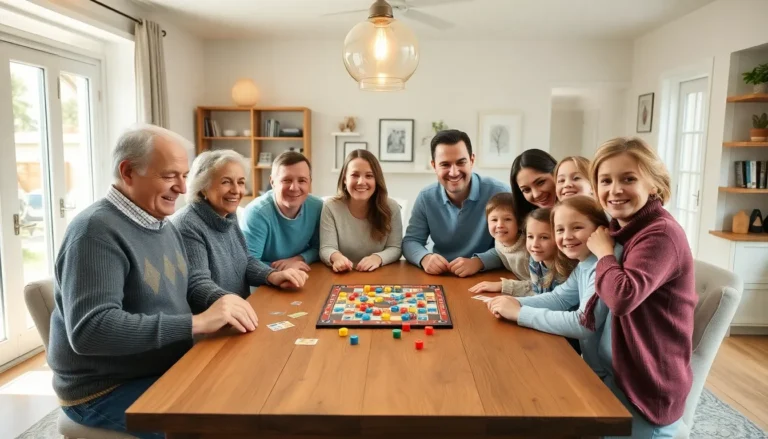
Family activities and games bring people together. They create memories, spark laughter, and strengthen bonds between parents and children. But planning activities that appeal to a toddler, a teenager, and grandparents at the same time? That takes strategy.
The good news: it’s entirely doable. With the right approach, families can find activities and games that engage every age group. This guide covers how to choose family activities, the best indoor games for quality time, outdoor options that keep everyone moving, and practical tips for successful game nights.
Table of Contents
ToggleKey Takeaways
- Family activities and games work best when you consider everyone’s age, physical abilities, and interests before planning.
- Indoor games like board games, card games, and puzzle nights provide quality family time regardless of weather conditions.
- Outdoor family activities such as backyard games, nature walks, and scavenger hunts combine exercise with fun for all ages.
- Schedule regular game nights and minimize distractions by putting phones away to make family activities more meaningful.
- Rotate who picks the activity each week to give everyone ownership and keep family games fresh and exciting.
- Keep competition friendly and adapt rules for younger children so everyone can participate and enjoy the experience.
Choosing the Right Activities for Your Family
The best family activities match your group’s interests, ages, and energy levels. A household with young children needs different games than one with teenagers. Start by considering these factors:
Age range matters. Activities should include everyone. Board games with simple rules work well for mixed ages. Cooperative games remove competition stress and let younger kids participate without frustration.
Physical abilities vary. Some family members may have mobility limitations. Choose activities that can be modified or select games where physical skill isn’t the main requirement.
Time availability counts. A quick card game fits a busy weeknight. Save longer activities like scavenger hunts for weekends when everyone has more energy.
Interests should overlap. Does your family love trivia? Music? Building things? Family activities work best when they tap into shared passions. Survey family members about what sounds fun before planning.
Consider rotating who picks the activity each week. This gives everyone ownership and introduces variety. Kids especially appreciate having their choices respected.
Indoor Games for Quality Family Time
Indoor games offer reliable entertainment regardless of weather. They’re perfect for family activities during cold months or rainy weekends.
Classic board games remain popular for good reason. Monopoly, Scrabble, and Clue have entertained families for decades. Newer options like Ticket to Ride and Codenames offer fresh mechanics while staying accessible.
Card games require minimal setup. Uno works for ages five and up. For older groups, games like Exploding Kittens or Skip-Bo add strategic depth.
Puzzle nights encourage teamwork. Select a 500-piece puzzle and work on it together over several evenings. The shared goal creates natural conversation opportunities.
Video games can be family activities too. Party games like Mario Kart, Overcooked, or Just Dance get everyone involved. Set screen time limits to keep gaming balanced with other activities.
DIY activities engage creative family members. Try building blanket forts, hosting cooking competitions, or creating art projects together. These family activities often produce lasting keepsakes.
Trivia nights let everyone contribute. Mix categories so each family member can shine in their area of expertise. Apps like Trivia Crack or printable question sets make setup easy.
Outdoor Activities to Keep Everyone Moving
Outdoor family activities provide exercise and fresh air. They break the routine of screen time and indoor entertainment.
Backyard games need minimal equipment. Cornhole, ladder toss, and bocce ball work for all skill levels. Frisbee and catch require just one item but deliver hours of play.
Nature walks and hikes suit families who enjoy exploration. Local parks often have trails rated by difficulty. Bring a nature journal and have kids document plants or animals they spot.
Bike rides work when family members have similar fitness levels. Plan routes with rest stops and interesting destinations. A trip to a local ice cream shop makes an excellent finish.
Sports tournaments bring friendly competition. Set up a mini basketball, soccer, or badminton match. Keep teams mixed by age so games stay fair.
Gardening projects teach responsibility while creating family activities. Let children choose plants to grow. Watching seeds become vegetables or flowers gives everyone a shared accomplishment.
Scavenger hunts turn any space into an adventure. Create lists of items to find in your neighborhood or at a local park. Teams can compete or work together depending on your group’s preference.
Camping trips, even backyard camping, create memorable family activities. Roast marshmallows, tell stories, and enjoy time away from daily distractions.
Tips for Making Family Game Nights a Success
Regular game nights strengthen family connections. These tips help make family activities a consistent success:
Schedule it. Put game night on the calendar. Weekly or biweekly frequency works best. Treat it like any other important appointment.
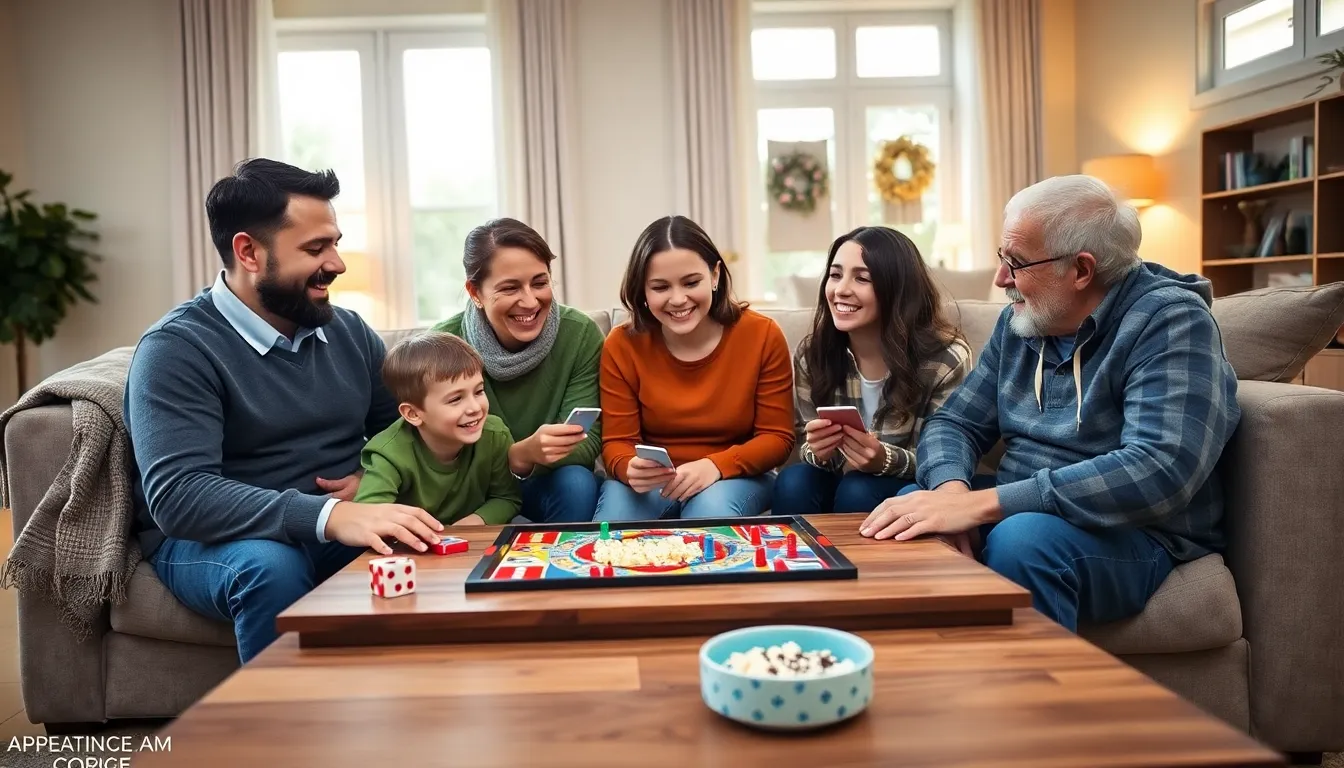
Minimize distractions. Phones go in a basket. TV stays off. Full attention makes family activities more meaningful.
Prepare snacks. Good food elevates any gathering. Let kids help prepare simple treats. Popcorn, fruit, and cheese plates are easy crowd-pleasers.
Keep competition friendly. Some family members get intense about winning. Set ground rules about sportsmanship. Remind everyone that connection matters more than victory.
Rotate game selection. Give each person a turn choosing. This prevents one family member from dominating choices and exposes everyone to new games.
Adapt rules when needed. Younger children may need modified rules to participate. Most games can be simplified without losing their fun.
End on a positive note. Even if someone loses badly, wrap up with gratitude. Thank everyone for participating. This positive closure makes people eager for next time.
Try something new occasionally. Sticking with favorites is fine, but introducing a new game every few weeks keeps family activities fresh and exciting.