Family activities and games bring people together. They create shared experiences that strengthen bonds and build lasting memories. But what exactly counts as a family activity? And why do these moments matter so much?
At its core, family activities and games include any shared experience that involves multiple family members participating together. These can range from board games on a rainy afternoon to hiking trips on sunny weekends. The key ingredient is togetherness, everyone joins in, laughs together, and connects beyond the distractions of daily life.
This guide breaks down what family activities and games really mean, explores different types, and explains why they matter for households of all sizes.
Table of Contents
ToggleKey Takeaways
- Family activities and games are any shared experiences where multiple family members participate together, from board games to hiking trips.
- These activities fall into two categories: indoor options like puzzles and movie nights, and outdoor activities like sports and camping.
- Regular family activities strengthen relationships, improve communication skills, and reduce stress for the entire household.
- Children benefit from family games through improved problem-solving abilities, motor skills, and social development.
- Choose activities based on your family’s ages, interests, and available time—consistency matters more than duration.
- Many meaningful family activities and games cost nothing, such as walks, backyard games, or dance parties at home.
Defining Family Activities and Games
Family activities and games refer to structured or unstructured experiences that family members share. These activities encourage interaction, communication, and cooperation among participants.
A family activity can be as simple as cooking dinner together or as elaborate as planning a vacation. Games, specifically, add an element of competition or teamwork, think card games, trivia nights, or relay races in the backyard.
What separates family activities and games from solo hobbies is the participation factor. Everyone gets involved. A parent reading alone isn’t a family activity, but reading a story aloud to children absolutely is.
Family activities and games also serve a purpose beyond entertainment. They teach skills. They encourage problem-solving. They give family members a reason to put down their phones and actually talk to each other.
The definition stays flexible because every family is different. A family of athletes might consider a basketball game their go-to activity. A creative household might prefer craft projects or painting sessions. Both count equally as meaningful family activities and games.
Types of Family Activities
Family activities and games fall into two broad categories: indoor and outdoor. Each offers unique benefits and fits different schedules, weather conditions, and family preferences.
Indoor Games and Activities
Indoor family activities and games work well during cold months, rainy days, or evenings when everyone is home. They require minimal preparation and can happen in any living space.
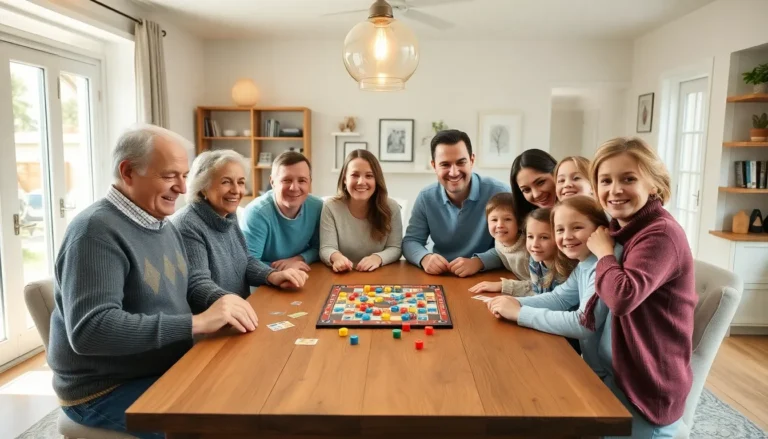
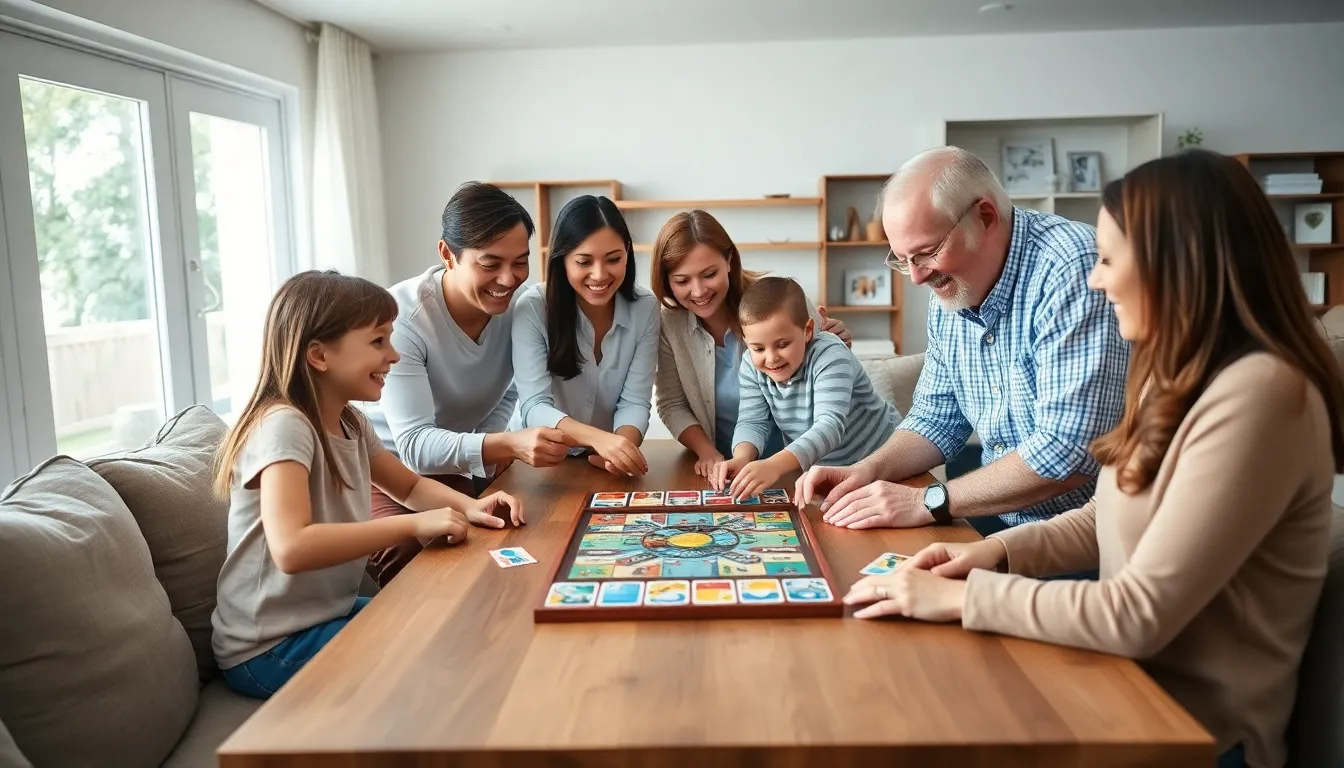
Board games remain a classic choice. Options like Monopoly, Scrabble, and Settlers of Catan engage players of different ages. Card games, from Uno to poker, offer quick setup and endless replay value.
Puzzle nights bring families together around a shared goal. Working on a 1,000-piece puzzle over several evenings creates anticipation and teamwork.
Movie nights count as family activities too. Choosing a film together, making popcorn, and discussing the story afterward creates connection.
Other indoor options include:
- Video games (cooperative modes work best)
- Baking or cooking challenges
- Arts and crafts projects
- Karaoke sessions
- Building with LEGOs or model kits
Outdoor and Physical Activities
Outdoor family activities and games get everyone moving. Physical activity improves health while the change of scenery lifts moods.
Sports top the list. Basketball, soccer, frisbee, and catch don’t require much equipment. Even a simple game of tag gets hearts pumping and laughter flowing.
Hiking and nature walks expose families to fresh air and scenery. These activities encourage conversation during the journey.
Camping trips combine multiple family activities and games into one experience. Setting up tents, cooking over a fire, and stargazing create memories that last for years.
Other outdoor options include:
- Bike rides around the neighborhood
- Swimming at local pools or beaches
- Gardening projects
- Scavenger hunts
- Picnics in the park
Benefits of Family Activities and Games
Family activities and games deliver benefits that extend far beyond fun. Research consistently shows that shared experiences strengthen family units in measurable ways.
Stronger relationships develop when families spend quality time together. Playing games requires communication. Working toward common goals builds trust. Even friendly competition teaches family members how to support each other through wins and losses.
Better communication skills emerge naturally during family activities and games. Children learn to express themselves. Parents gain insight into their kids’ thoughts and personalities. Conversations flow more easily when everyone relaxes.
Reduced stress affects the whole household. Family activities and games provide a mental break from work, school, and daily pressures. Laughter releases endorphins. Physical activities reduce cortisol levels.
Improved child development happens through play. Kids learn problem-solving during strategy games. They develop motor skills through physical activities. Social skills strengthen when they interact with siblings and parents in low-pressure settings.
Lasting memories form during these shared moments. Adults often recall family game nights and vacations as their happiest childhood memories. These experiences shape identity and create stories families tell for generations.
Screen time balance improves when family activities and games become routine. Instead of everyone retreating to separate devices, families engage face-to-face.
How to Choose the Right Activities for Your Family
Selecting the right family activities and games depends on several factors. Not every activity works for every household.
Consider ages and abilities. A family with toddlers needs different activities than one with teenagers. Choose games everyone can participate in meaningfully. Many board games offer junior versions for younger players.
Factor in interests. Ask each family member what sounds fun. A reluctant participant drags down the whole experience. When everyone feels heard, engagement increases.
Start simple. Complicated activities can frustrate beginners. Begin with easy games and build toward more complex options as the family develops shared skills.
Set realistic time expectations. Busy families might only have 30 minutes on weeknights. Save longer family activities and games for weekends. Consistency matters more than duration.
Rotate choices. Let different family members pick the activity each week. This keeps things fresh and ensures no one feels overlooked.
Budget appropriately. Many family activities and games cost nothing. Walking, playing tag, or having a dance party in the living room requires zero investment. Save expensive outings for special occasions.
Stay flexible. Plans change. Weather shifts. Moods vary. The best families adapt and find alternatives when original plans fall through.